The Role of Iranian Aluminum in Aerospace, Automotive, and Packaging Industries
Iran’s aluminum industry has grown steadily over the past two decades, positioning the country as an important regional supplier of high-quality aluminum products. With expanding production capacity, access to mineral resources, and investment in modern smelting and rolling technologies, Iranian aluminum plays a meaningful role in several major global industries—including aerospace, automotive manufacturing, and packaging.
1. Aluminum in Iran: A Growing Industrial Backbone
Iran possesses significant bauxite reserves and operates several major aluminum production complexes such as:
-
Iran Aluminium Company (IRALCO)
-
Almahdi Aluminium Company
-
South Aluminium Corporation (SALCO)
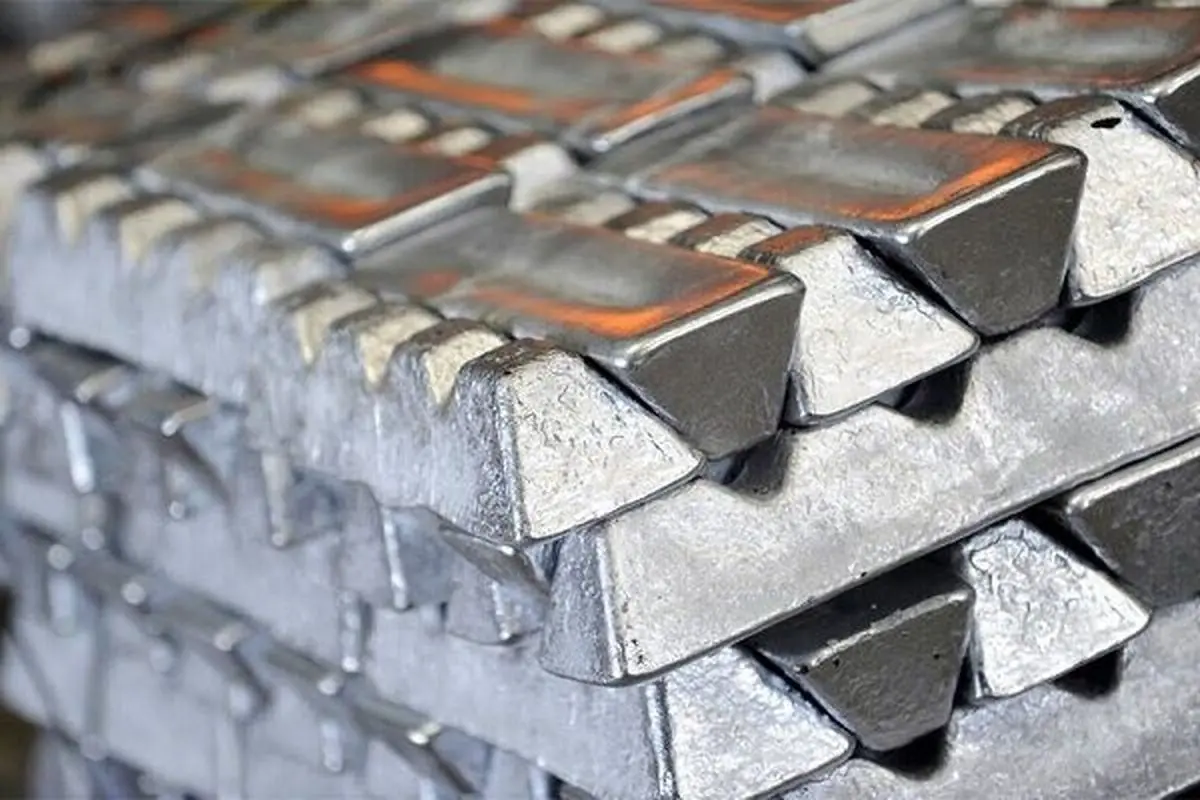
These facilities produce primary aluminum ingots, billets, slabs, sheets, and various downstream products that meet international standards for structural and industrial applications.
As global industries increasingly shift toward lightweight, corrosion-resistant, and recyclable materials, demand for Iranian aluminum continues to rise.
2. The Role of Iranian Aluminum in the Aerospace Industry
The aerospace sector requires materials with exceptional strength-to-weight ratios, heat resistance, and fatigue durability—qualities that aluminum alloys provide.
Key Contributions:
• Lightweight Structural Components
Iranian aluminum billets and sheets are used in the manufacturing and maintenance of:
-
Aircraft fuselage components
-
Wings, flaps, and landing gear housings
-
Internal cabin structures
• High-Performance Alloys
Iranian producers supply alloys suitable for aerospace-grade applications, especially 2xxx and 7xxx series alloys used for high-stress aircraft parts.
• Cost-Effective Regional Supply
With competitive production costs, Iran offers neighboring countries an affordable alternative to European and North American aluminum sources.
While the aerospace sector demands rigorous standards and certifications, Iranian suppliers are steadily improving metallurgical quality, testing facilities, and compliance to meet aviation-grade requirements.
3. The Role of Iranian Aluminum in the Automotive Industry
The automotive industry is one of the largest consumers of Iranian aluminum, particularly as global trends push manufacturers toward lightweight design to improve fuel efficiency and reduce emissions.
Major Uses in Automotive Manufacturing:
• Engine and Powertrain Components
Aluminum is widely used in:
-
Cylinder heads
-
Engine blocks
-
Pistons
-
Gearbox casings
Iranian foundries supply cast and extruded aluminum components to domestic auto producers and regional markets.
• Body Panels and Frames
Extruded and rolled aluminum products from Iran support the production of:
-
Vehicle body panels
-
Bumpers
-
Structural reinforcement parts
• Electric Vehicle (EV) Applications
As EV adoption grows, aluminum is increasingly needed for battery housings and heat-management systems—an area where Iran’s aluminum sector is gaining traction.
Thanks to its competitive pricing and high production capacity, Iran is emerging as a strategic supplier for Middle Eastern and Asian automotive manufacturers.
4. The Role of Iranian Aluminum in the Packaging Industry
The packaging sector relies heavily on aluminum for its exceptional barrier properties, recyclability, and compatibility with food, pharmaceuticals, and cosmetic products.
Key Applications:
• Aluminum Foil for Food and Pharma
Iran is one of the regional leaders in producing:
-
Household aluminum foil
-
Pharmaceutical blister foil
-
Food-grade laminated foil
These products play a vital role in protecting products from light, moisture, and contamination.
• Beverage and Consumer Packaging
Iranian aluminum sheets are used in:
-
Beverage cans
-
Aerosol cans
-
Cosmetic packaging containers
• Sustainability Benefits
With global demand shifting toward recyclable packaging materials, Iranian aluminum offers an eco-friendly solution with a near-100% recycling rate.
Growing investments in rolling mills and foil production lines allow Iran to meet increasing export demand across the Middle East, Europe, and South Asia.
5. Key Advantages of Iranian Aluminum in Global Supply Chains
• Competitive Prices
Lower energy and production costs make Iran’s aluminum products cost-effective compared to many global suppliers.
• Strategic Export Routes
Access to land routes and ports enables efficient shipment to:
-
Turkey
-
UAE
-
India
-
China
-
Central Asian markets
-
Africa
• Strong Upstream Resources
Availability of domestic bauxite and alumina is improving self-sufficiency and stabilizing production.
• Growing Downstream Industry
Expansion in rolling, extrusion, casting, and finishing technologies strengthens Iran’s ability to supply specialized industrial sectors.
Conclusion
Iran’s aluminum industry plays a significant role in supporting key global sectors such as aerospace, automotive, and packaging. With rising quality standards, increasing production capacity, and strong export potential, Iranian aluminum continues to gain recognition as a reliable and cost-competitive supplier.
As the world moves toward lightweight, sustainable, and high-performance materials, Iran is well-positioned to expand its influence in advanced manufacturing industries—both regionally and internationally.