The Competitive Edge of Iran in Pharmaceutical Raw Material Production
Iran has emerged as one of the most capable and technologically advanced producers of pharmaceutical raw materials in the Middle East and Asia. Backed by decades of scientific investment, a strong chemical industry foundation, and a rapidly growing biotech sector, Iran now holds a strategic position in the global supply chain for Active Pharmaceutical Ingredients (APIs), intermediates, and excipients. This competitive edge is shaped by a combination of economic, technical, and regulatory strengths that position Iran as an increasingly attractive partner for global pharmaceutical manufacturers.
1. Strong Industrial Base and Technical Expertise
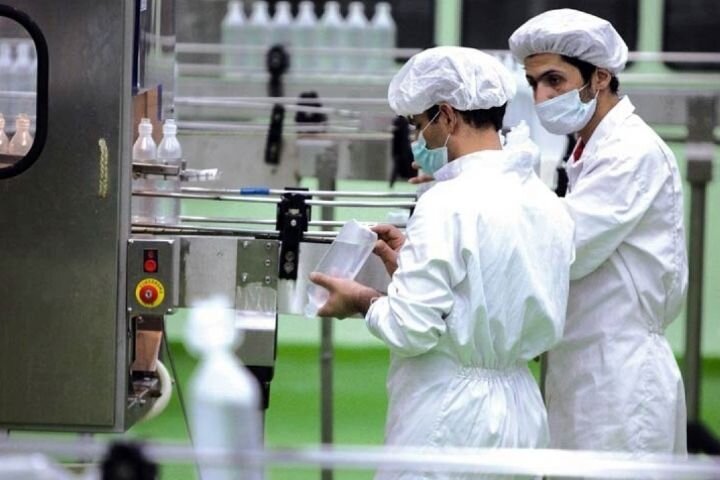
One of Iran’s greatest strengths lies in its well-established chemical and petrochemical industry, which forms the backbone of large-scale API production. The country has developed:
-
advanced synthesis capabilities
-
laboratory infrastructure
-
skilled chemists and pharmaceutical engineers
-
specialized biotech research centers
As a result, Iranian producers can manufacture a wide range of raw materials, including:
-
antibiotics and antiviral drug intermediates
-
cardiovascular and diabetes-related APIs
-
analgesics, anti-inflammatories, and CNS medication components
-
biotech-based raw materials, such as growth factors and recombinant proteins
This diversity gives Iran significant flexibility in adapting to global pharmaceutical trends and demand shifts.
2. Cost-Effective Production Powered by Local Resources
Iran’s competitive pricing is another defining advantage. Local access to essential chemical feedstock, combined with lower operational and energy costs, allows Iranian pharmaceutical manufacturers to offer high-quality raw materials at prices that attract buyers from:
-
Middle East
-
South Asia
-
Africa
-
CIS region
This cost efficiency is especially valuable in markets that rely heavily on affordable generic medicines, where API pricing significantly impacts the final product cost.
3. Growing Biotechnology and Advanced Research Capacity
In recent years, Iran has invested heavily in biopharmaceutical and advanced biotechnology, resulting in:
-
domestic production of recombinant APIs
-
monoclonal antibody components
-
vaccine raw materials and adjuvants
-
enzyme and peptide synthesis
These innovations reduce dependence on foreign suppliers and position Iran as a regional leader in high-value raw material production that traditionally came from Europe, India, or China.
4. Regulatory Standards and Quality Compliance
Iran’s pharmaceutical raw materials sector increasingly aligns with global regulatory expectations. Many Iranian companies comply with:
-
GMP (Good Manufacturing Practice)
-
ISO quality management systems
-
regional and global pharmacopoeia standards
-
validated production and testing protocols
This allows Iranian suppliers to expand access into regulated markets while improving credibility with international clients.
5. Strategic Geography and Export Opportunities
Iran’s location at the crossroads of Asia, Europe, and the Middle East offers a significant competitive edge in logistics. Proximity to major regional markets reduces shipping times and transportation costs for pharmaceutical inputs.
The country has become a reliable supplier for:
-
Turkey
-
Pakistan
-
India (in selected intermediates)
-
Iraq
-
UAE
-
East Africa
-
Central Asian republics
With global demand for generic medicines rising rapidly, Iran is positioned to expand its raw material exports even further.
6. Government Support and Market Expansion
Supportive policies have helped strengthen this sector, including:
-
incentives for API production
-
investment support for biotech firms
-
modernization of manufacturing plants
-
export promotion programs
Iran’s pharmaceutical industry now covers more than 90% of domestic API needs, and the growing export surplus is fueling its entry into new markets.
Conclusion: A Rising Power in Global API Supply
Iran’s competitive edge in pharmaceutical raw material production stems from a powerful combination of technical capability, cost efficiency, biotech innovation, and strategic regional access. As global demand for high-quality yet affordable APIs continues to increase, Iran is likely to play an even greater role in supplying raw materials to international pharmaceutical companies.