Iran as a Hub for Medical Equipment and Healthcare Solutions in the Middle East
In recent years, Iran has gained recognition as one of the most capable and rapidly expanding centers for medical equipment manufacturing and healthcare innovation in the Middle East. With strong technological capabilities, a skilled workforce, and growing export capacity, Iran is emerging as a key regional supplier of medical devices, diagnostics, and integrated healthcare solutions. As countries in the Middle East demand more reliable, affordable, and localized healthcare products, Iran’s position in the regional medical landscape is stronger than ever.
A Growing Medical Equipment Manufacturing Base
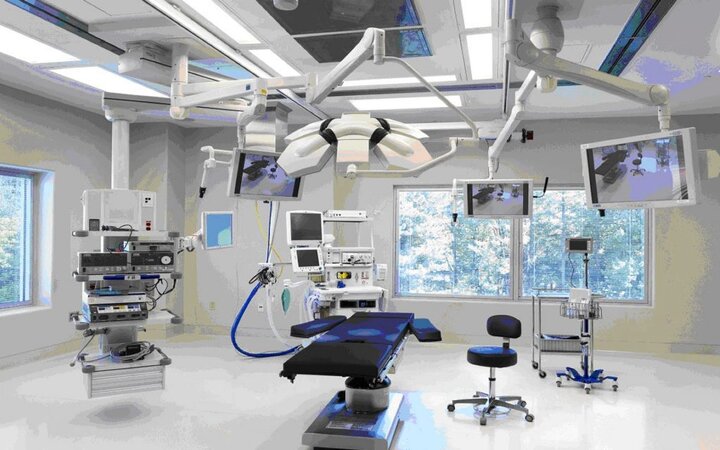
Iran’s medical equipment industry has expanded significantly, fueled by local expertise in engineering, biotechnology, nanotechnology, and materials science. Today, Iran produces a wide range of medical devices that meet international quality and safety standards.
Key product categories include:
-
Hospital equipment (beds, monitors, ventilators, surgical instruments)
-
Diagnostic devices (ultrasound, ECG, imaging accessories)
-
Disposable medical supplies (syringes, IV sets, gloves, catheters)
-
Dental equipment and materials
-
Orthopedic implants and prosthetics
-
Laboratory testing kits and reagents
Thanks to this diversity, Iran is capable of supplying both basic medical consumables and advanced technological equipment, giving it a competitive edge in a region with growing healthcare needs.
Strong Domestic Capabilities and Skilled Technical Workforce
One of Iran’s biggest advantages is its highly educated talent pool in engineering, biotechnology, medicine, and applied sciences. The country produces thousands of medical engineers, technicians, and healthcare specialists every year, many of whom contribute to R&D, product design, and high-tech manufacturing.
This expertise drives innovation in fields such as:
-
Biomedical engineering
-
Nanotechnology-based medical solutions
-
Advanced materials for implants
-
Imaging system components
-
Laboratory automation
Such capabilities help Iran maintain self-sufficiency and provide advanced solutions to the region at competitive prices.
A Reliable Export Partner for the Middle East and Beyond
Iran’s medical equipment exports have grown steadily, especially to neighboring markets that need affordable and accessible healthcare products.
Main export destinations include:
-
Iraq
-
Afghanistan
-
Syria
-
Oman
-
Pakistan
-
Azerbaijan and Armenia
-
Central Asian nations
-
Africa (various countries)
What makes Iranian products particularly attractive is the combination of quality, affordability, and proximity, which ensures rapid delivery and lower costs compared to European or East Asian suppliers.
Many regional hospitals rely on Iranian medical equipment to meet everyday operational needs, especially for consumables and laboratory diagnostics.
Rapid Growth in Diagnostic and Laboratory Solutions
The COVID-19 pandemic accelerated Iran’s progress in diagnostics and laboratory technologies. During the crisis, Iran developed:
-
PCR testing kits
-
Antibody and antigen rapid-test kits
-
Laboratory automation systems
-
Virus-transfer media (VTM)
-
Biotech reagents and enzymes
These innovations strengthened Iran’s domestic health system and positioned the country as a supplier of critical diagnostic technologies to nearby nations. This expertise remains a strategic advantage for future epidemics and medical emergencies.
Integration of Biotechnology and Nanotechnology
Iran is one of the regional leaders in nanotechnology, and this is reflected in the medical sector. Nanotech-based solutions include:
-
Antimicrobial coatings for medical instruments
-
Nanofiber wound dressings
-
Drug-delivery materials
-
Nano-diagnostic systems
These high-tech innovations help Iran compete with major international suppliers while offering unique products tailored to regional healthcare needs.
Affordable Solutions for Developing Health Systems
The affordability of Iranian medical equipment is one of the main reasons for its growing market share. Rising global prices for medical devices—especially after the pandemic—have placed heavy pressure on healthcare budgets in developing countries.
Iran provides:
-
High-quality products at lower cost
-
Faster availability due to shorter shipping distance
-
Lower maintenance and training expenses
-
Localized support and technical services
This cost-effectiveness makes Iranian medical equipment accessible to both government hospitals and private clinics across the region.
Health Technology Innovation and R&D Growth
Iranian companies increasingly invest in research, innovation, and digital health solutions. Emerging areas of growth include:
-
Telemedicine platforms
-
Hospital information systems (HIS)
-
Smart medical devices with IoT integration
-
Portable diagnostic tools
-
AI-based medical imaging software
These advancements enable Iran to move beyond manufacturing into comprehensive healthcare solutions, integrating hardware, software, and clinical services.
Government Support and Local Industrial Ecosystems
The Iranian government supports the medical equipment sector through:
-
Incentives for domestic production
-
Investment in biotech and health-tech incubators
-
Partnerships with universities and research centers
-
Export facilitation for regional markets
Clusters of specialized manufacturers have formed in cities like Tehran, Isfahan, Shiraz, and Mashhad, creating strong local ecosystems for innovation and mass production.
A Strategic Role in Regional Health Security
Iran’s medical equipment industry plays a crucial role in regional health security by ensuring:
-
Stable access to essential medical supplies
-
Reduced dependency on distant global suppliers
-
Faster response in health emergencies
-
More affordable healthcare for developing countries
In regions affected by political tensions, economic fluctuations, or supply-chain disruptions, Iran provides a reliable and sustained source of medical solutions.
Conclusion
Iran is rapidly emerging as a key hub for medical equipment and healthcare solutions in the Middle East, driven by strong industrial capabilities, advanced scientific expertise, and expanding export networks. With a robust foundation in manufacturing, biotechnology, diagnostics, and engineering, Iran is positioned to support regional healthcare systems with reliable, high-quality, and affordable solutions.
As global supply chains shift and regional health needs continue to grow, Iran’s role in the Middle Eastern medical landscape will only become more important—making it a strategic partner for countries seeking sustainable and cost-effective healthcare technologies.