Export Potential of Iranian Fabrics: From Silk to Cotton
Export Potential of Iranian Fabrics: From Silk to Cotton
Iran has a long-standing tradition in textile production, dating back thousands of years to the Silk Road era. Today, this heritage is evolving into a modern, export-oriented textile industry with strong potential in global markets. From premium silk and fine wool to high-quality cotton and blended fabrics, Iranian textiles are gaining attention for their quality, diversity, and competitive pricing. As global demand for sustainable, cost-effective, and culturally distinctive fabrics increases, Iran is well-positioned to become a key supplier in the international textile trade.
A Rich Textile Heritage Backed by Modern Production
Iran’s textile industry benefits from a unique combination of historical craftsmanship and modern industrial capacity. Regions such as Yazd, Isfahan, Kashan, and Tabriz have long been centers of textile excellence, producing silk, velvet, brocade, and cotton fabrics renowned for durability and design.
In recent decades, significant investments in:
-
modern spinning and weaving machinery
-
dyeing and finishing technologies
-
quality control systems
have enabled Iranian manufacturers to scale production while maintaining consistent standards. This fusion of tradition and technology strengthens Iran’s position in both premium and mass-market textile segments.
Diverse Fabric Portfolio: Silk, Cotton, Wool, and Blends
One of Iran’s main competitive advantages is the diversity of fabrics it offers to export markets.
Silk and Luxury Fabrics
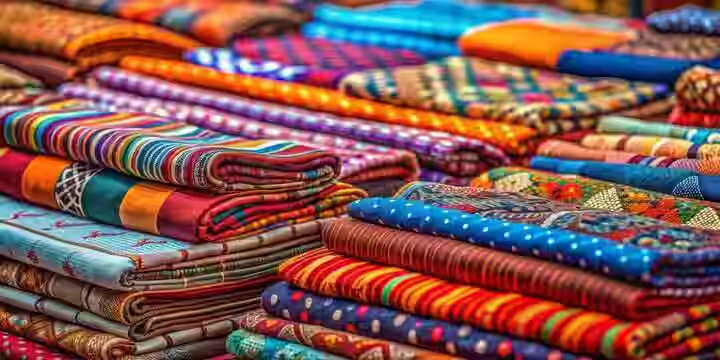
Iranian silk fabrics, particularly those inspired by traditional patterns, are valued in luxury fashion, interior decoration, and artisanal markets. These fabrics appeal to designers seeking authenticity and heritage-based aesthetics.
Cotton and Cotton Blends
Iran produces a wide range of cotton fabrics used in:
-
apparel manufacturing
-
home textiles (bedsheets, curtains, towels)
-
workwear and uniforms
Locally sourced cotton and favorable climate conditions help ensure stable raw material supply and competitive pricing.
Wool and Traditional Textiles
Iranian wool fabrics, including handwoven and semi-industrial products, are popular for carpets, blankets, and traditional garments, especially in colder regions.
Cost-Competitive Manufacturing Advantage
Iran’s textile sector benefits from several economic factors that enhance its export competitiveness:
-
Lower labor costs compared to Europe and Turkey
-
Affordable energy prices, critical for spinning and dyeing processes
-
Domestic availability of raw materials, particularly cotton and wool
-
Integrated supply chains, reducing dependency on imports
These factors allow Iranian fabric exporters to offer high-quality textiles at competitive prices, making them attractive to buyers in emerging and cost-sensitive markets.
Growing Demand in Regional and Global Markets
Iranian fabrics are increasingly exported to:
-
Middle Eastern countries (Iraq, UAE, Oman, Qatar)
-
Central Asia and the Caucasus
-
South Asia (Pakistan, Afghanistan)
-
Eastern Europe and Russia
-
Africa (North and East African markets)
Proximity to these regions reduces logistics costs and delivery times, giving Iran a strategic advantage over distant suppliers in East Asia.
In addition, global buyers seeking supply chain diversification are turning to alternative textile producers—creating new opportunities for Iranian exporters.
Quality Standards and Export Readiness
Many Iranian textile manufacturers now comply with international quality and environmental standards, including:
-
ISO quality management systems
-
standardized colorfastness and shrinkage testing
-
eco-friendly dyeing practices
-
customized fabric specifications
These improvements enable Iranian fabrics to meet the technical requirements of international apparel brands, wholesalers, and industrial buyers.
Sustainability and Natural Fibers as a Competitive Edge
With rising global interest in sustainable fashion, Iran’s focus on natural fibers such as cotton, silk, and wool provides a strong advantage. Compared to synthetic textiles, natural fabrics are:
-
biodegradable
-
breathable
-
environmentally friendly
This positions Iranian textiles favorably in European and premium markets where sustainability is becoming a key purchasing criterion.
Challenges and Opportunities Ahead
While Iran’s textile export potential is strong, challenges remain, including:
-
branding and international marketing limitations
-
access to global financial systems
-
competition from large-scale producers like China and India
However, opportunities outweigh challenges. Strategic partnerships, private-label manufacturing, digital B2B platforms, and participation in international textile fairs can significantly boost Iran’s global visibility.
The Future Outlook of Iranian Fabric Exports
With continuous modernization, improved design capabilities, and growing international interest in alternative sourcing destinations, Iran’s textile industry is entering a new phase of export growth.
By leveraging:
-
its deep-rooted textile heritage
-
competitive production costs
-
diverse fabric offerings
-
strategic geographic location
Iran has the potential to become a reliable and influential supplier of fabrics, from luxury silk to everyday cotton, in global textile markets.
Conclusion
The export potential of Iranian fabrics—from silk to cotton—is built on a powerful combination of tradition, quality, affordability, and adaptability. As global textile buyers seek reliable suppliers beyond conventional markets, Iran stands out as a country capable of delivering both cultural richness and industrial efficiency. With the right export strategies and global engagement, Iranian textiles are poised to strengthen their presence in international trade.