Competitive Advantages of Iran’s Apparel Industry Compared to Regional Countries
The apparel industry is one of the most dynamic and competitive sectors in the global manufacturing landscape. In the Middle East and neighboring regions, countries such as Turkey, Bangladesh, Pakistan, and Vietnam have traditionally dominated clothing exports. However, Iran’s apparel industry is increasingly emerging as a strong regional competitor, offering a unique combination of cost efficiency, skilled labor, cultural design strength, and supply chain integration. These advantages position Iran as an attractive sourcing destination for international buyers seeking quality, flexibility, and diversification.
Skilled Workforce and Deep Manufacturing Experience
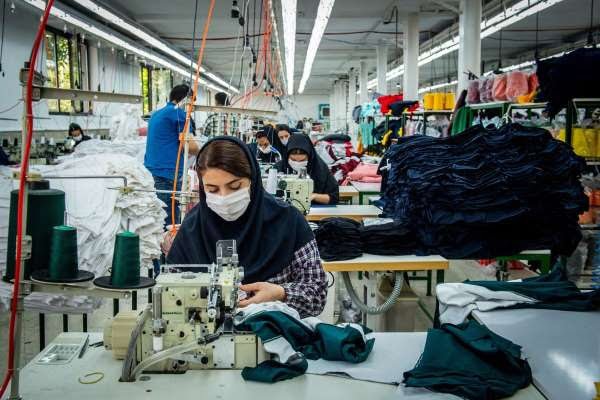
One of Iran’s strongest competitive advantages lies in its highly skilled and experienced workforce. Iran has decades of experience in garment production, pattern making, tailoring, and textile engineering. Many apparel manufacturers operate with vertically integrated facilities, combining cutting, sewing, washing, and finishing under one roof.
Compared to some regional countries where production is highly standardized and mass-oriented, Iranian apparel producers offer:
-
greater flexibility in design and customization
-
smaller and medium batch production
-
faster adaptation to changing fashion trends
This makes Iran particularly attractive for brands looking for mid-range to premium apparel, private labels, and niche fashion segments.
Competitive Production Costs with Higher Quality Control
While Iran may not always match ultra-low-cost producers like Bangladesh, it offers a strong value-for-money proposition. Key cost advantages include:
-
affordable skilled labor
-
relatively low energy and utility costs
-
domestic availability of fabrics and trims
-
reduced dependency on imported raw materials
Unlike some regional competitors, Iranian manufacturers maintain strict quality supervision, resulting in lower defect rates and better consistency—an important factor for international buyers concerned with brand reputation.
Strong Domestic Textile Supply Chain Integration
Iran benefits from a well-developed domestic textile industry, producing cotton fabrics, denim, knitwear, synthetic blends, and traditional textiles. This integrated supply chain allows apparel manufacturers to:
-
shorten lead times
-
reduce import-related risks
-
offer competitive pricing
-
respond quickly to custom fabric requirements
In contrast, many regional apparel producers depend heavily on imported fabrics, increasing both costs and delivery times.
Design Capability and Cultural Differentiation
Iran’s rich cultural heritage and fashion sensibility provide a distinct competitive edge. Iranian apparel blends traditional aesthetics with modern design, appealing to markets that value originality and identity.
This advantage is particularly strong in:
-
women’s fashion
-
modest wear
-
ethnic-inspired contemporary clothing
-
handmade and limited-edition garments
Compared to neighboring countries that focus mainly on mass production, Iran offers design-driven apparel, making it suitable for European, Middle Eastern, and premium Asian markets.
Strategic Geographic Location and Export Access
Iran’s geographic position at the crossroads of the Middle East, Central Asia, and Europe provides logistical advantages. Shorter shipping routes to:
-
GCC countries
-
Turkey and Eastern Europe
-
Central Asia and the Caucasus
-
Iraq and Afghanistan
enable faster delivery and lower transportation costs compared to suppliers in East or Southeast Asia. This is a key advantage for brands seeking nearshoring alternatives.
Growing Compliance with International Standards
Iranian apparel manufacturers increasingly align with international requirements, including:
-
ISO quality management systems
-
standardized sizing and testing protocols
-
improved labor and workplace standards
-
eco-conscious dyeing and finishing methods
This growing compliance helps Iranian exporters compete with established regional players and meet the expectations of international retailers and wholesalers.
Flexibility and Custom Manufacturing Advantage
Unlike large-scale factories in some regional countries that require high minimum order quantities (MOQs), Iranian apparel producers are well-suited for:
-
small to medium orders
-
private label production
-
seasonal collections
-
market testing runs
This flexibility is highly valued by startups, boutique brands, and emerging fashion labels worldwide.
Challenges Compared to Regional Competitors
Despite its advantages, Iran faces challenges such as:
-
limited global brand recognition
-
financial and banking restrictions
-
lower presence in major international fashion exhibitions
However, these challenges are increasingly being addressed through digital trade platforms, regional partnerships, and B2B export channels.
Future Outlook of Iran’s Apparel Industry
With continued investment in:
-
modern machinery
-
sustainable production practices
-
branding and international marketing
-
export facilitation
Iran’s apparel industry is well-positioned to strengthen its role as a competitive regional apparel hub. As global buyers seek diversification away from traditional sourcing countries, Iran presents a compelling alternative that balances quality, cost, and creativity.
Conclusion
The competitive advantages of Iran’s apparel industry—ranging from skilled labor and integrated supply chains to design capability and geographic proximity—make it a strong contender among regional apparel producers. While challenges remain, Iran’s unique combination of flexibility, quality, and cultural depth offers international buyers a reliable and differentiated sourcing option in today’s evolving global fashion market.