
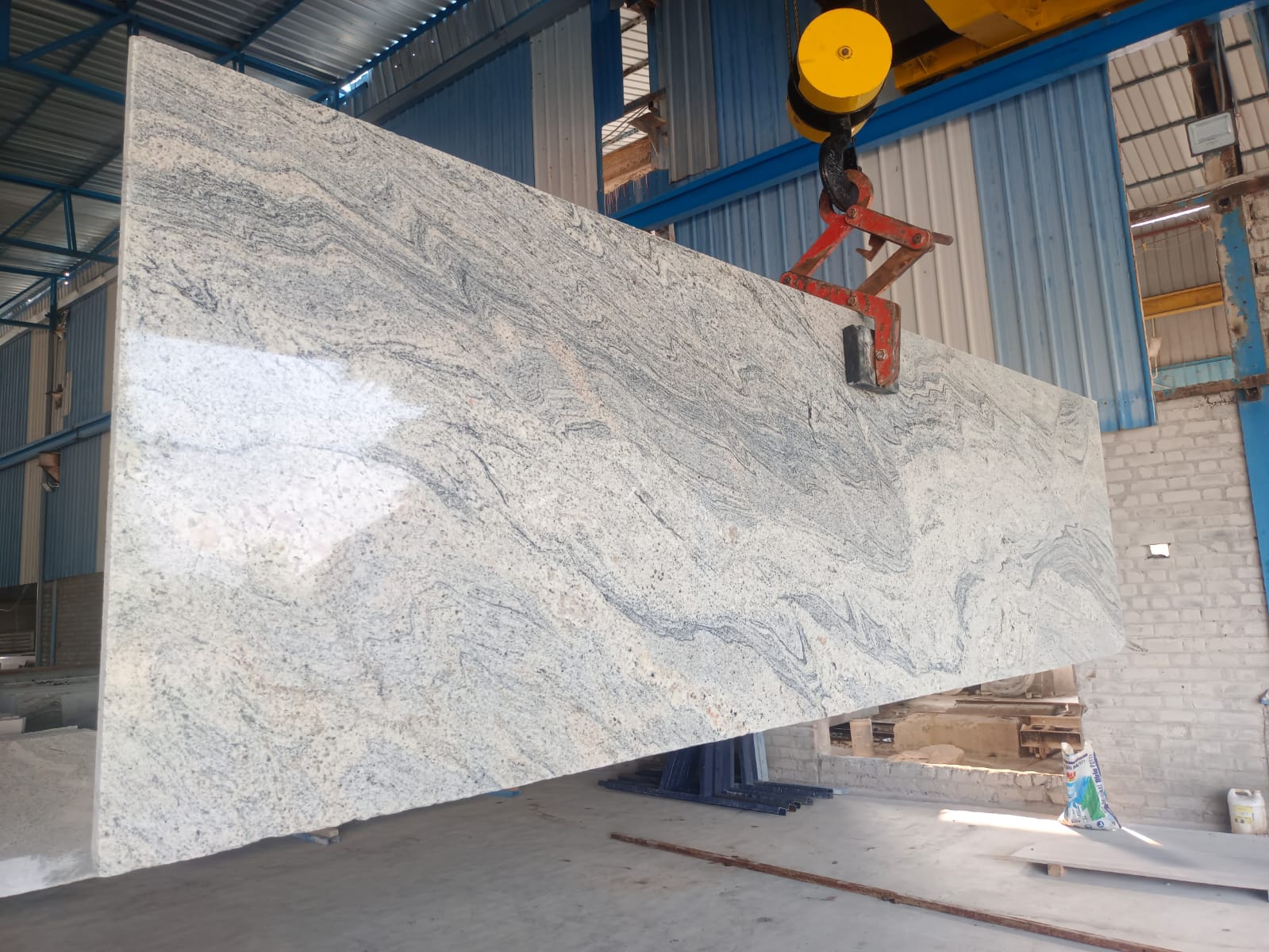
Iran’s Stone and Tile Industry: From Persian Quarries to International Homes
Iran’s Stone and Tile Industry: From Persian Quarries to International Homes
Introduction
Iran is home to one of the richest and most diverse natural stone reserves in the world. With thousands of active quarries and centuries of craftsmanship in stone cutting and architectural design, the country has developed a strong stone and tile industry that serves both domestic construction and international markets. From elegant marble and travertine to durable granite and decorative tiles, Iranian stone products are increasingly used in residential and commercial projects across the Middle East, Europe, Asia, and beyond. This article explores how Iran’s stone and tile industry has evolved from traditional quarrying to a globally competitive export sector.
Abundant Natural Resources and Geological Diversity
One of Iran’s greatest advantages in the stone and tile industry is its exceptional geological diversity. The country possesses large reserves of:
-
Marble and onyx (white, cream, green, pink, and patterned varieties)
-
Travertine, widely used in façades and flooring
-
Granite and limestone for heavy-duty construction
-
Decorative stones with unique natural textures and colors
Major quarry regions such as Isfahan, Yazd, Fars, Markazi, and East Azerbaijan supply raw stone to hundreds of processing factories. This abundance ensures long-term supply stability and competitive raw material costs for both domestic and export-oriented producers.
From Traditional Craftsmanship to Modern Processing
Iran’s stone industry is deeply rooted in architectural history, visible in ancient Persian monuments and Islamic-era buildings. In recent decades, however, the industry has undergone significant modernization.
Today, many stone-processing facilities are equipped with:
-
CNC cutting and polishing machines
-
automated tile production lines
-
advanced surface finishing technologies (honed, polished, brushed)
-
precise grading and quality control systems
This modernization enables Iranian manufacturers to meet international size tolerances, surface quality requirements, and aesthetic preferences—essential factors for global construction and interior design markets.
A Wide Range of Stone and Tile Products
Iranian producers offer a broad portfolio of products suitable for both luxury and mass-market applications, including:
-
floor and wall tiles
-
façade and cladding stone
-
countertops and staircases
-
decorative slabs and mosaics
-
outdoor paving stones
These products are used in homes, hotels, shopping centers, offices, and public infrastructure projects. The ability to customize dimensions, finishes, and packaging adds to Iran’s export appeal.
Cost Efficiency and Competitive Pricing
Compared to many European stone producers, Iran benefits from:
-
lower quarrying and extraction costs
-
affordable skilled labor
-
competitive energy prices
-
proximity between quarries and processing plants
These factors translate into high-quality stone products at competitive prices, allowing Iranian exporters to compete effectively with suppliers from Italy, Spain, Turkey, and China—especially in price-sensitive markets.
Strong Export Presence in Regional and Global Markets
Iranian stone and tile products are exported to a wide range of international destinations, including:
-
Middle Eastern markets (UAE, Qatar, Oman, Iraq, Kuwait)
-
Central Asia and the Caucasus
-
South and Southeast Asia
-
Eastern Europe and Russia
-
Africa
Geographic proximity to many of these markets reduces transportation costs and delivery times, making Iran an attractive supplier for regional construction projects with tight schedules.
Quality Standards and International Market Readiness
To serve international clients, many Iranian stone manufacturers have adopted global standards and best practices, such as:
-
ISO quality management systems
-
standardized packaging for export
-
moisture and strength testing
-
consistent color sorting and grading
This focus on quality control has improved customer confidence and enabled Iranian stone to be used in high-profile international construction and real estate developments.
Sustainability and Long-Term Industry Potential
Natural stone is considered one of the most sustainable building materials due to its durability, low maintenance, and natural origin. Iran’s stone industry is increasingly focusing on:
-
efficient quarry management
-
reduced waste through slab optimization
-
recycling stone by-products
-
environmentally responsible extraction practices
As sustainability becomes a key purchasing factor in global construction, these efforts further enhance Iran’s competitiveness.
Challenges and Opportunities in Global Markets
Despite its strengths, Iran’s stone and tile industry faces challenges such as:
-
limited global branding compared to Italian stone
-
logistics and shipping constraints
-
strong competition from large-scale producers
However, opportunities continue to expand as international buyers seek:
-
alternative sourcing destinations
-
cost-effective materials without sacrificing quality
-
unique natural stone varieties not available elsewhere
Digital marketing, international exhibitions, and B2B platforms are helping Iranian producers overcome visibility barriers and connect directly with global buyers.
Conclusion
Iran’s stone and tile industry has successfully evolved from traditional quarrying and craftsmanship into a modern, export-oriented sector with strong global potential. With abundant natural resources, advanced processing capabilities, competitive pricing, and strategic geographic access, Iran is well-positioned to supply natural stone and tile products to international homes and commercial projects.
As global demand for high-quality and sustainable building materials continues to grow, Iranian stone—rooted in Persian heritage and refined by modern technology—stands ready to make its mark on the world stage.