Exporting Iranian Construction Materials: Opportunities in Asia, Africa, and Europe
Introduction
The global construction industry continues to grow, driven by urbanization, infrastructure development, and housing demand across emerging and developed markets. Within this landscape, Iran has emerged as a competitive supplier of construction materials, offering a wide range of products that combine quality, availability, and cost efficiency. From cement and steel to tiles, stone, and ceramic products, Iranian construction materials are increasingly finding their way into projects across Asia, Africa, and Europe. This article explores Iran’s export capabilities, key target markets, and the opportunities shaping the future of this sector.
Iran’s Strong Industrial Base in Construction Materials
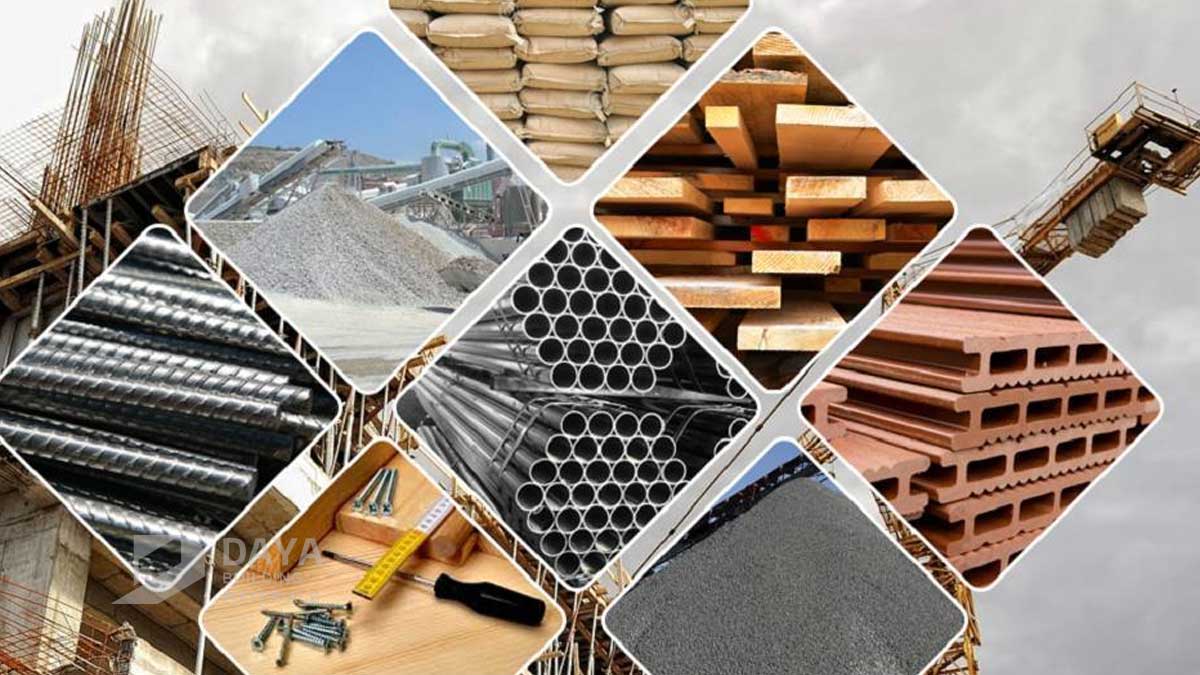
Iran possesses one of the most diversified construction material industries in the Middle East. Supported by abundant natural resources, strong domestic demand, and decades of industrial development, the country produces large volumes of:
-
cement and clinker
-
steel products (rebar, beams, sheets)
-
ceramic and porcelain tiles
-
natural stone and marble
-
glass, gypsum, and insulation materials
This broad product range allows Iranian exporters to serve different segments of the global construction market, from large-scale infrastructure projects to residential and commercial buildings.
Competitive Advantages of Iranian Construction Materials
Several factors contribute to Iran’s growing competitiveness in international construction material markets:
Cost Efficiency
Access to local raw materials, competitive energy prices, and skilled labor enable Iranian manufacturers to offer high-quality products at attractive prices compared to many regional and European suppliers.
Production Scale and Reliability
Iran’s large industrial capacity ensures consistent supply volumes, making it a reliable sourcing destination for long-term projects and bulk orders.
Geographic Position
Located at the crossroads of Asia, Europe, and Africa, Iran benefits from strategic land and sea routes that reduce transportation time and costs for nearby markets.
Export Opportunities in Asian Markets
Asia remains one of the most promising destinations for Iranian construction material exports. Rapid population growth, infrastructure investment, and industrial expansion are driving demand across the region.
Key Asian Markets
-
Central Asia and the Caucasus
-
South Asia
-
East and Southeast Asia
Iranian cement, steel, tiles, and stone products are widely used in housing developments, roads, industrial zones, and public infrastructure projects. Proximity and established trade links further strengthen Iran’s position in these markets.
Africa: A High-Growth Destination
Africa represents a major growth opportunity for Iranian construction material exporters. Many African countries are investing heavily in urban development, transportation networks, and affordable housing.
Why Africa Matters
-
High demand for cost-effective building materials
-
Limited local production capacity in some countries
-
Strong need for infrastructure and housing
Iranian products such as cement, rebar, ceramic tiles, and stone are well-suited for African markets due to their durability, competitive pricing, and adaptability to different climate conditions.
Europe: Niche Markets and Value-Based Competition
While Europe is a highly competitive market with strict standards, it still offers valuable opportunities for Iranian exporters—especially in specialized segments.
Key Opportunities in Europe
-
natural stone and decorative materials
-
ceramic tiles with unique designs
-
steel semi-finished products
European buyers increasingly seek alternative suppliers to diversify their supply chains. Iranian construction materials that meet technical standards and sustainability requirements can successfully compete on value rather than volume.
Quality Standards and Export Readiness
To succeed internationally, Iranian manufacturers have made significant investments in quality control and compliance. Many export-oriented factories operate under:
-
ISO-certified quality management systems
-
standardized packaging and labeling
-
international testing and certification procedures
These measures ensure that Iranian construction materials meet the expectations of contractors, developers, and distributors in global markets.
Logistics and Trade Infrastructure
Iran’s access to key ports along the Persian Gulf and the Caspian Sea, combined with land routes to neighboring countries, supports efficient export logistics. Multimodal transportation options allow exporters to optimize shipping costs and delivery times, particularly for bulky construction materials.
Challenges and Strategic Outlook
Despite strong potential, Iranian exporters face challenges such as:
-
intense competition from established global suppliers
-
transportation and logistics constraints
-
the need for stronger international branding
However, ongoing investments in technology, digital marketing, and international trade partnerships are helping Iranian companies overcome these barriers and expand their global footprint.
Conclusion
Exporting Iranian construction materials offers significant opportunities across Asia, Africa, and Europe. With a diverse product portfolio, competitive pricing, reliable production capacity, and strategic geographic location, Iran is well-positioned to play an increasingly important role in global construction supply chains.
As demand for affordable, durable, and high-quality building materials continues to rise worldwide, Iranian manufacturers and exporters are poised to strengthen their presence and build long-term partnerships in international markets.