Smart Home Technology and Digital Transformation in Iran’s Appliance Industry
Introduction
The global home appliance industry is undergoing a major transformation driven by smart home technology, digitalization, and connected living solutions. As consumers increasingly demand intelligent, energy-efficient, and user-friendly appliances, manufacturers worldwide are adapting to this new reality. Iran’s appliance industry, traditionally known for strong domestic production, is now embracing digital transformation and smart technologies to enhance competitiveness and expand its presence in regional and global markets. This article explores how smart home innovation is reshaping Iran’s appliance sector, its current capabilities, and future growth potential.
Overview of Iran’s Home Appliance Industry
Iran has one of the largest home appliance manufacturing bases in the Middle East. The industry produces a wide range of products, including refrigerators, washing machines, air conditioners, ovens, televisions, and small household appliances. With a large domestic market, skilled engineering workforce, and growing industrial infrastructure, Iranian manufacturers have steadily moved from conventional production toward technology-driven solutions.
In recent years, digital transformation has become a strategic priority for leading Iranian appliance brands seeking to improve efficiency, product quality, and international competitiveness.
The Rise of Smart Home Technology in Iran
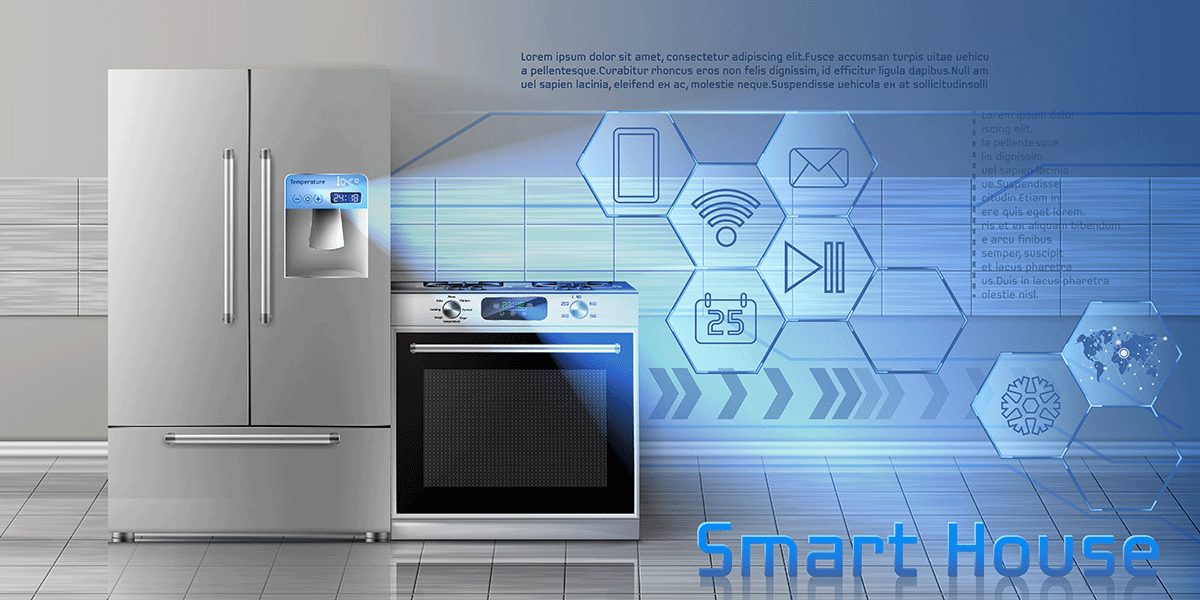
Smart home technology refers to appliances and systems connected through the Internet of Things (IoT), enabling remote control, automation, data analytics, and energy optimization. In Iran, the adoption of smart features is accelerating across several appliance categories.
Key Smart Appliance Features
-
Wi-Fi and Bluetooth connectivity
-
Mobile app control and monitoring
-
Energy consumption optimization
-
Predictive maintenance and fault detection
-
Integration with smart home platforms
Iranian manufacturers are increasingly embedding sensors, digital control boards, and intelligent software into their products to meet evolving consumer expectations.
Digital Transformation Across the Value Chain
Digital transformation in Iran’s appliance industry goes beyond smart products. It encompasses the entire value chain, from design and manufacturing to after-sales services.
Smart Manufacturing and Industry 4.0
Factories are adopting automation, robotics, and data-driven production systems to improve efficiency and reduce costs. Advanced quality control systems and digital twins are helping manufacturers optimize performance and minimize defects.
Digital Supply Chain Management
Data analytics and enterprise resource planning (ERP) systems enable better inventory management, demand forecasting, and logistics coordination—critical for both domestic distribution and exports.
Customer-Centric Digital Services
Online platforms, digital warranties, and smart diagnostics enhance customer experience while reducing maintenance costs and service downtime.
Energy Efficiency and Sustainability
Energy efficiency is a key driver of smart appliance adoption worldwide, and Iran is no exception. Smart home technologies allow appliances to adjust power consumption based on usage patterns, contributing to sustainability goals.
Iranian manufacturers are increasingly aligning with international energy standards, making their products more attractive in export markets where environmental regulations are strict. Smart energy management also supports national objectives to optimize energy consumption.
Export Potential of Smart Iranian Appliances
The integration of smart technology significantly enhances the export potential of Iranian home appliances, especially in regional markets.
Key Target Markets
-
Middle Eastern countries
-
Central Asia and the Caucasus
-
North Africa
-
Emerging Asian markets
Competitive pricing combined with smart features makes Iranian appliances attractive alternatives to higher-cost global brands. As digital adoption increases in developing regions, demand for affordable smart appliances is expected to grow rapidly.
Challenges Facing Digital Transformation
Despite progress, several challenges remain for Iran’s appliance industry:
-
Limited access to certain advanced components
-
Need for stronger global brand recognition
-
Cybersecurity and data protection requirements
-
Compatibility with international smart home ecosystems
Addressing these challenges requires continued investment in research and development, international collaboration, and adherence to global digital standards.
Government Support and Innovation Ecosystem
Government-backed innovation programs, technology parks, and cooperation with universities play a critical role in accelerating digital transformation. Support for local software development and electronics manufacturing helps reduce dependency on imports while fostering innovation.
The growing startup ecosystem in IoT, artificial intelligence, and industrial software also contributes to smart appliance development.
Future Outlook
The future of Iran’s appliance industry lies in deeper integration of smart technologies, artificial intelligence, and cloud-based services. As digital literacy increases and smart infrastructure expands, demand for connected appliances will continue to rise.
With strategic investments, export-oriented innovation, and international partnerships, Iran has the potential to become a regional hub for smart home appliance manufacturing.
Conclusion
Smart home technology and digital transformation are reshaping Iran’s appliance industry, driving innovation, efficiency, and global competitiveness. By combining strong manufacturing capabilities with intelligent design, energy efficiency, and digital services, Iranian appliance manufacturers are positioning themselves for growth in both domestic and international markets.
As smart living becomes the global standard, Iran’s digitally transformed appliance industry is well-placed to capture new opportunities and strengthen its role in the regional and global value chain.