The Growing Market for Electric and Power Tools in Iran
Introduction
The market for electric and power tools in Iran has experienced significant growth in recent years, driven by expanding construction activity, industrial development, infrastructure projects, and a rising culture of professional craftsmanship and DIY work. As one of the largest economies in the Middle East with a strong manufacturing base, Iran is emerging as an important market and production hub for electric and power tools. This article explores the key drivers behind this growth, market dynamics, production capabilities, and future opportunities for domestic and international stakeholders.
Overview of Iran’s Electric and Power Tools Market
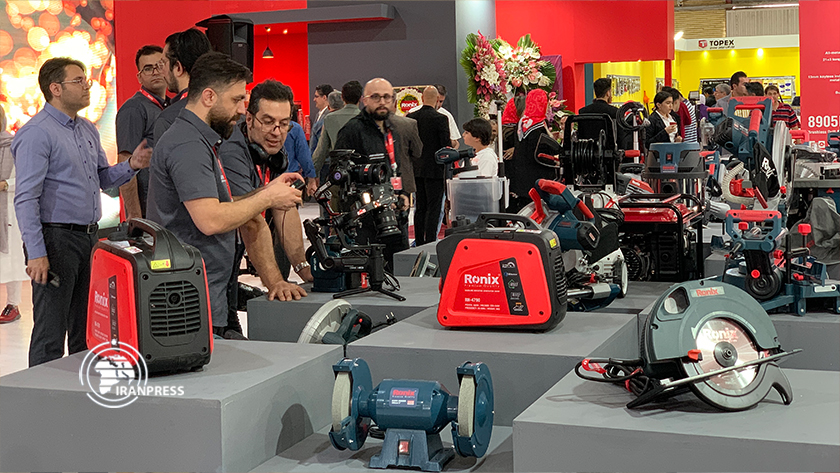
Electric and power tools in Iran include a wide range of products such as drills, grinders, saws, sanders, impact wrenches, rotary hammers, and cordless tools. These tools are widely used across construction, automotive repair, metalworking, woodworking, oil and gas maintenance, and household applications.
The market is supported by:
-
A large and young workforce
-
Continuous urban development
-
Expanding industrial and manufacturing sectors
-
Increasing demand for cost-effective professional tools
Both domestic manufacturers and international brands play active roles in meeting market demand.
Key Drivers of Market Growth
1. Construction and Infrastructure Expansion
Iran’s ongoing investment in residential housing, commercial buildings, roads, tunnels, railways, and industrial facilities has created strong demand for electric and power tools. Contractors and engineering firms require durable, high-performance tools to improve productivity and meet tight project timelines.
Large-scale infrastructure projects, including transportation and energy-related developments, continue to stimulate tool consumption across the country.
2. Industrial and Manufacturing Development
Iran’s industrial sectors—such as steel, automotive, machinery, petrochemicals, and mining—are major consumers of power tools. Maintenance, repair, and overhaul (MRO) operations rely heavily on electric and cordless tools to maintain production efficiency.
As factories modernize and adopt more advanced production methods, demand for reliable and specialized power tools continues to rise.
3. Growth of the DIY and Small Workshop Segment
In addition to professional users, the DIY (do-it-yourself) culture and small workshops have grown steadily in Iran. Home renovations, small-scale manufacturing, and independent repair services have increased the demand for affordable and versatile electric tools.
This segment favors tools that offer a balance between performance, durability, and price.
Domestic Manufacturing Capabilities
Iran has developed notable domestic capabilities in the production and assembly of electric and power tools. Local manufacturers focus on:
-
Corded and cordless drills
-
Grinders and cutting tools
-
Industrial and semi-industrial equipment
-
Tool accessories and spare parts
Domestic production benefits from competitive labor costs, engineering expertise, and access to regional markets. Many manufacturers also offer customization and after-sales services tailored to local user needs.
Technological Trends in the Iranian Power Tools Market
Cordless and Battery-Powered Tools
The demand for cordless tools has grown rapidly, driven by convenience, portability, and improved battery technology. Lithium-ion batteries, brushless motors, and fast-charging systems are becoming increasingly common in the Iranian market.
Smart and Ergonomic Design
Manufacturers are focusing on ergonomic designs, safety features, and digital controls to enhance user comfort and productivity. Vibration reduction, overload protection, and variable speed controls are now standard expectations among professional users.
Energy Efficiency and Durability
Energy-efficient motors and durable components are key selling points, especially in industrial and construction environments where tools are used intensively.
Import and Export Dynamics
While Iran imports certain advanced tools and components, domestic production covers a significant portion of market demand. Import substitution policies and local assembly have strengthened national manufacturing capacity.
Export Opportunities
Iranian power tools are increasingly exported to:
-
Middle Eastern countries
-
Central Asia
-
Caucasus region
-
Parts of Africa
Competitive pricing, acceptable quality standards, and geographical proximity give Iranian tools an advantage in these markets.
Distribution Channels and Market Structure
Power tools in Iran are distributed through:
-
Specialized tool retailers
-
Industrial supply companies
-
Construction material markets
-
Online platforms and e-commerce channels
The expansion of digital sales channels has improved market access, transparency, and customer choice.
Challenges Facing the Market
Despite strong growth, the market faces several challenges:
-
Access to advanced components and technologies
-
Brand recognition in international markets
-
Quality standardization for export markets
-
Price volatility of raw materials
Addressing these challenges requires investment in R&D, quality assurance, and international partnerships.
Government Policies and Industry Support
Government support for local manufacturing, industrial development, and export promotion has played a positive role in market expansion. Technical training programs and industrial clusters contribute to skill development and innovation in tool manufacturing.
Future Outlook
The future of Iran’s electric and power tools market is promising. Continued construction activity, industrial modernization, and technological adoption are expected to sustain growth. The shift toward cordless tools, smart features, and export-oriented production will further enhance market potential.
With strategic investments and stronger branding, Iranian manufacturers can position themselves as competitive regional suppliers of electric and power tools.
Conclusion
The growing market for electric and power tools in Iran reflects the country’s broader industrial and construction-driven development. Supported by domestic manufacturing capabilities, rising demand, and improving technology, the sector offers significant opportunities for producers, distributors, and exporters.
As infrastructure projects expand and industries modernize, electric and power tools will remain essential to Iran’s economic and industrial progress—making this market an increasingly attractive destination for regional and global players.