
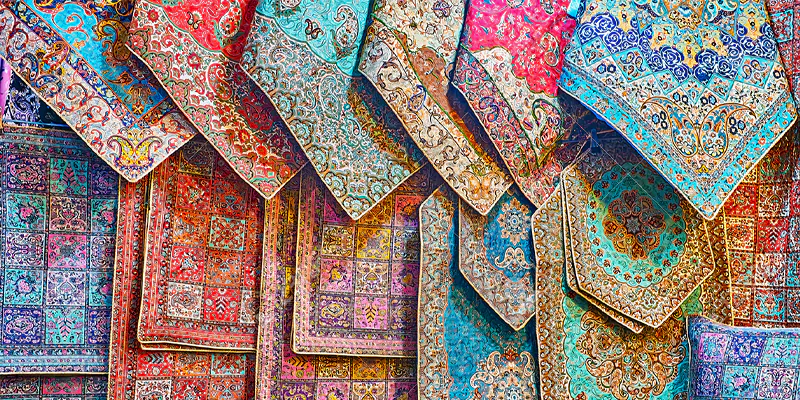
Iranian Textiles and Traditional Fabrics: Ghalamkar, Termeh, and More
Introduction
Iran has long been recognized as one of the world’s great centers of textile production and artistic craftsmanship. For centuries, Persian artisans have created fabrics that combine exceptional quality, intricate designs, and deep cultural significance. Among the most famous examples are Ghalamkar, Termeh, silk textiles, handwoven cotton fabrics, and traditional wool products that continue to attract admiration from consumers and collectors worldwide.
Today, Iranian textiles are not only valuable cultural treasures but also important export products with growing international demand. As global consumers increasingly seek authentic handmade goods, sustainable materials, and unique decorative products, traditional Iranian fabrics offer a compelling combination of heritage, craftsmanship, and commercial potential. This article explores the history, significance, and export opportunities of Iran’s traditional textile industry.
A Rich Legacy of Textile Production
The history of textile production in Iran dates back thousands of years. Positioned along the historic Silk Road, Persia served as a major trading hub connecting East and West. This strategic location allowed Persian weavers and textile artisans to absorb influences from various cultures while developing distinctive techniques and artistic styles of their own.
Throughout different historical periods, Iranian textiles became highly valued commodities traded across Asia, Europe, and the Middle East. Persian fabrics were renowned for their:
- Fine craftsmanship
- Natural dyes
- Intricate patterns
- Durable materials
- Luxurious appearance
This long tradition laid the foundation for many of the textile products that remain popular today.
Ghalamkar: The Art of Hand-Printed Textiles
One of Iran’s most iconic textile traditions is Ghalamkar, a hand-printing technique that originated centuries ago and flourished particularly in the city of Isfahan.
Ghalamkar fabrics are produced using carved wooden blocks that transfer intricate designs onto cotton cloth. Artisans carefully apply natural dyes and repeat the printing process multiple times to create highly detailed patterns.
Traditional Ghalamkar designs often feature:
- Floral motifs
- Persian garden imagery
- Geometric patterns
- Historical and cultural symbols
Today, Ghalamkar is used to produce:
- Tablecloths
- Wall hangings
- Cushion covers
- Decorative textiles
- Fashion accessories
Its combination of artistic beauty and cultural authenticity makes it highly attractive to international buyers seeking handcrafted home décor products.
Termeh: Iran’s Luxury Handwoven Fabric
Among the most prestigious traditional Iranian textiles is Termeh, a luxurious handwoven fabric known for its elegance and complexity.
Historically associated with royalty and wealthy families, Termeh is characterized by:
- Fine wool and silk fibers
- Dense weaving techniques
- Paisley-inspired designs
- Rich color combinations
The city of Yazd is particularly famous for producing high-quality Termeh fabrics. These textiles are commonly used for:
- Decorative table covers
- Luxury home furnishings
- Ceremonial items
- Premium gift products
Because of its cultural significance and sophisticated appearance, Termeh continues to enjoy strong demand in both domestic and international markets.
Silk and Traditional Weaving Heritage
Iran has a long history of silk production, particularly in northern regions near the Caspian Sea. Persian silk textiles have been admired for centuries due to their softness, durability, and intricate weaving patterns.
Traditional silk fabrics are often used in:
- Fashion garments
- Scarves and shawls
- Decorative textiles
- Luxury accessories
In addition to silk, Iranian artisans continue to produce handwoven cotton and wool fabrics using traditional looms and techniques passed down through generations.
These products appeal to consumers seeking authentic craftsmanship and natural materials in an increasingly mass-produced marketplace.
Cultural Significance of Iranian Traditional Fabrics
Iranian textiles are much more than commercial products—they are expressions of cultural identity and artistic heritage.
Many traditional patterns reflect:
- Persian poetry and literature
- Nature-inspired themes
- Historical architecture
- Religious symbolism
- Regional traditions
Textiles often play important roles in ceremonies, celebrations, and family traditions. The preservation of these textile arts helps maintain cultural continuity while creating economic opportunities for artisan communities.
As interest in cultural tourism and heritage products grows worldwide, traditional Iranian fabrics offer a meaningful connection to one of the world’s oldest civilizations.
Growing International Demand for Handmade Textiles
Global consumer preferences have shifted significantly in recent years. Buyers increasingly value:
- Handmade products
- Sustainable materials
- Ethical production practices
- Authentic cultural goods
These trends create strong opportunities for Iranian textile exports.
Traditional fabrics such as Ghalamkar and Termeh are especially attractive in markets focused on:
- Interior decoration
- Luxury home accessories
- Boutique fashion
- Cultural and artisan products
Their uniqueness allows them to stand out from industrially produced textiles commonly found in international retail markets.
Export Opportunities for Iranian Textiles
Iran’s traditional textile industry possesses several advantages that support export growth.
Cultural Authenticity
Products with genuine cultural heritage often command premium prices and attract consumers seeking distinctive goods.
Skilled Artisanship
Many Iranian textile products are handcrafted using techniques that have survived for centuries, adding significant value and uniqueness.
Competitive Production Costs
Compared to similar handmade luxury textiles from some other countries, Iranian products often offer excellent quality at competitive prices.
Product Diversity
The industry produces a wide range of exportable goods, including:
- Decorative textiles
- Fashion accessories
- Home furnishings
- Traditional garments
- Luxury gift items
Potential export markets include:
- Europe
- North America
- East Asia
- Gulf countries
- Central Asia
Modern Innovation Meets Traditional Craftsmanship
While preserving traditional methods, many Iranian textile producers are adapting to modern market demands through:
- Contemporary color palettes
- Modern product designs
- Improved packaging
- E-commerce platforms
- International marketing initiatives
This balance between tradition and innovation helps Iranian textiles remain relevant and competitive in global markets.
Future Outlook for Iran’s Traditional Textile Industry
The future of Iranian traditional fabrics appears promising. Rising interest in sustainable products, artisan craftsmanship, and cultural authenticity aligns perfectly with the strengths of Iran’s textile sector.
By investing in branding, export promotion, and digital marketing, producers can further expand their reach and connect with consumers seeking premium handcrafted textiles.
As global demand for unique cultural products continues to grow, Iranian textiles are well-positioned to strengthen their presence in international markets.
Conclusion
Iranian textiles and traditional fabrics, including Ghalamkar, Termeh, silk, and handwoven cotton products, represent a remarkable blend of history, artistry, and commercial potential. These fabrics reflect centuries of Persian craftsmanship while offering modern consumers authentic and sustainable alternatives to mass-produced goods.
With their rich cultural heritage, distinctive designs, and growing export opportunities, Iranian traditional textiles continue to serve as ambassadors of Persian culture in global markets. As appreciation for handmade and heritage products increases worldwide, these timeless fabrics are poised to play an even greater role in international trade and cultural exchange.
