
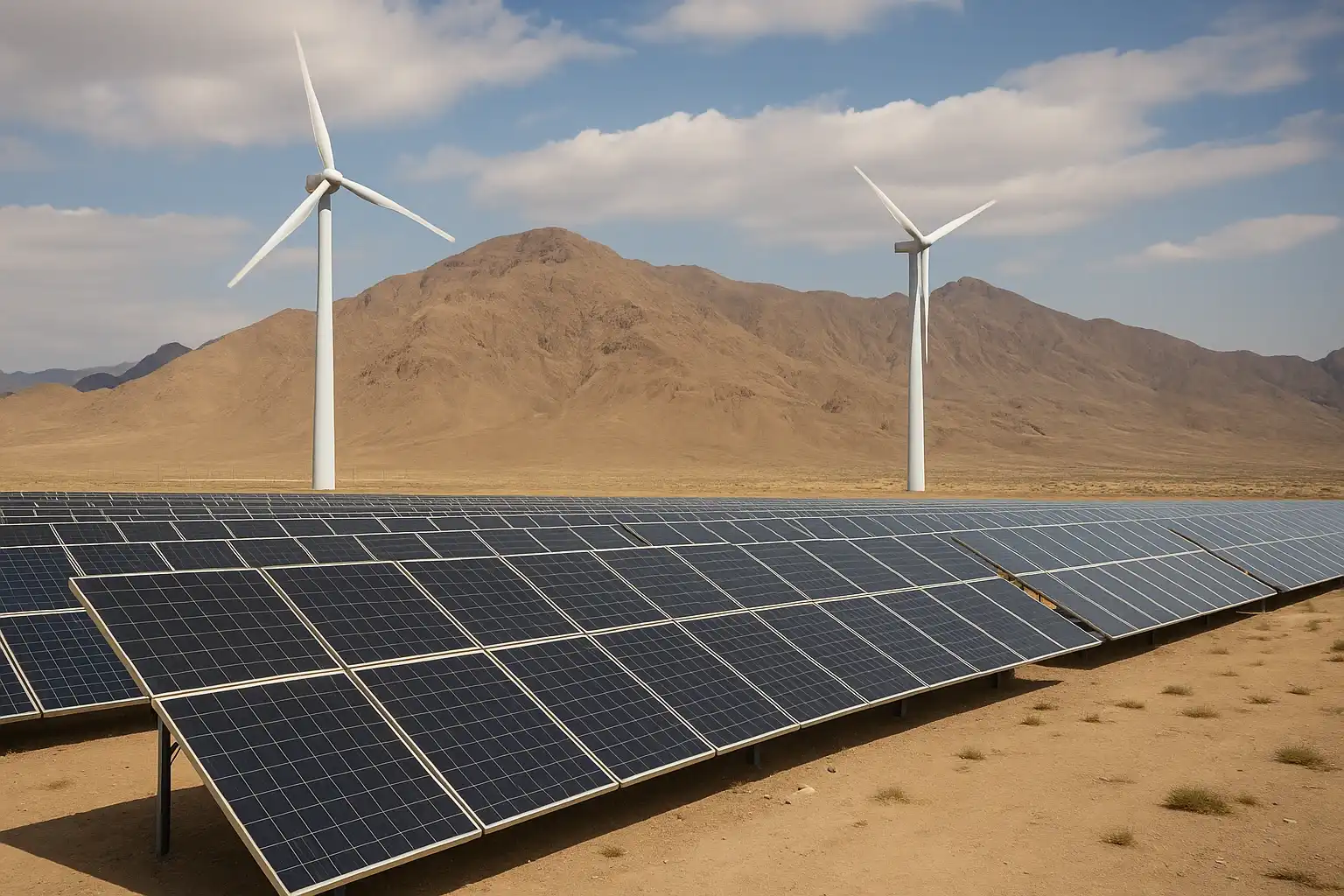
Renewable Energy Engineering in Iran: Solar and Wind Project Capabilities
Introduction
As the global energy transition accelerates, countries around the world are investing heavily in renewable energy infrastructure to enhance energy security, reduce carbon emissions, and support sustainable economic growth. Among the emerging players in this sector, Iran possesses significant renewable energy potential, particularly in solar and wind power. Supported by favorable geographic conditions, a growing engineering sector, and decades of experience in large-scale infrastructure development, Iran is increasingly positioning itself as a capable partner for renewable energy projects across the Middle East and neighboring regions.
From utility-scale solar farms to wind power installations and renewable energy engineering services, Iranian companies have developed valuable expertise that can contribute to both domestic and international energy projects. This article explores Iran’s renewable energy engineering capabilities, competitive advantages, and future opportunities in the solar and wind energy sectors.
Iran’s Renewable Energy Potential
Iran is uniquely positioned to benefit from renewable energy development due to its diverse climate and natural resources.
Solar Energy Resources
Large areas of Iran receive more than 300 sunny days per year, making the country one of the most attractive locations in the region for solar energy generation. Provinces such as Yazd, Kerman, Fars, Isfahan, South Khorasan, and Semnan offer high solar irradiation levels suitable for both photovoltaic (PV) and concentrated solar power (CSP) projects.
These conditions provide excellent opportunities for:
- Utility-scale solar farms
- Industrial solar installations
- Commercial rooftop systems
- Off-grid energy solutions
- Rural electrification projects
Wind Energy Resources
Iran also possesses substantial wind energy resources, particularly in regions such as Manjil, Binalood, Sistan and Baluchestan, Ardabil, and East Azerbaijan.
Consistent wind patterns in these areas support:
- Large-scale wind farms
- Hybrid renewable energy systems
- Grid-connected power generation
- Remote-area energy projects
The combination of strong solar and wind resources creates favorable conditions for diversified renewable energy development.
Engineering Expertise and Infrastructure Experience
One of Iran’s greatest strengths is its extensive engineering and construction experience. Over the past several decades, Iranian engineering firms have successfully delivered complex infrastructure projects across sectors including:
- Power generation
- Transmission networks
- Industrial facilities
- Oil and gas projects
- Transportation infrastructure
- Water and irrigation systems
This experience has created a large pool of engineers, project managers, technicians, and construction specialists capable of supporting renewable energy developments from design to commissioning.
Many Iranian engineering companies now provide services such as:
- Feasibility studies
- Engineering design
- Procurement support
- Project management
- Construction supervision
- Operation and maintenance services
Solar Project Development Capabilities
Iranian engineering firms have accumulated practical experience in designing and implementing solar energy projects of various scales.
Utility-Scale Solar Farms
Large solar installations require expertise in:
- Site assessment
- Grid integration
- Energy yield analysis
- Civil engineering works
- Electrical infrastructure
Iranian companies have developed capabilities in each of these areas, enabling them to participate in the complete project lifecycle.
Commercial and Industrial Solar Systems
The growing demand for clean energy solutions has also encouraged the deployment of solar systems for factories, warehouses, commercial buildings, and industrial parks.
These projects help businesses:
- Reduce electricity costs
- Improve sustainability performance
- Enhance energy independence
- Support long-term operational efficiency
Wind Power Engineering Expertise
Wind energy development requires specialized knowledge in site selection, turbine installation, transmission infrastructure, and operational management.
Iranian engineering teams have gained valuable experience in:
- Wind resource assessment
- Foundation engineering
- Electrical connection systems
- Turbine installation support
- Performance monitoring
The country’s experience in large-scale industrial construction provides a strong foundation for executing wind energy projects efficiently and safely.
Manufacturing and Industrial Capabilities
Iran’s industrial sector contributes significantly to renewable energy development through local manufacturing and supply chain support.
Domestic industries are capable of producing or supplying:
- Steel structures
- Electrical equipment
- Transmission components
- Control systems
- Industrial cables
- Construction materials
The availability of these resources can help reduce project costs while strengthening local content participation in renewable energy developments.
Export Opportunities for Iranian Renewable Energy Services
As renewable energy investment expands throughout the Middle East, Central Asia, Africa, and neighboring regions, opportunities for exporting Iranian engineering services continue to grow.
Potential export services include:
- Renewable energy consulting
- Engineering and design services
- EPC project support
- Technical training
- Operation and maintenance solutions
- Grid integration expertise
Countries seeking cost-effective renewable energy development may benefit from Iran’s combination of engineering expertise and competitive project execution capabilities.
Competitive Advantages of Iranian Renewable Energy Engineering
Several factors strengthen Iran’s position in the renewable energy sector.
Skilled Human Resources
Iran produces thousands of engineering graduates annually in fields such as electrical engineering, mechanical engineering, civil engineering, and renewable energy technologies.
Competitive Project Costs
Local engineering capabilities, manufacturing resources, and construction expertise contribute to cost-effective project development.
Strategic Geographic Position
Iran’s location provides convenient access to markets in:
- The Middle East
- Central Asia
- The Caucasus
- South Asia
- North Africa
Infrastructure Development Experience
Decades of experience in large-scale infrastructure projects provide a strong foundation for renewable energy engineering and project delivery.
Future Outlook
Global demand for renewable energy is expected to continue growing rapidly over the coming decades. As governments and businesses seek cleaner energy solutions, opportunities for solar and wind projects will expand significantly.
Iran’s favorable natural conditions, engineering expertise, and industrial capabilities position the country to play an increasingly important role in regional renewable energy development. Continued investment in technology, workforce training, and international partnerships can further strengthen the sector’s competitiveness.
Emerging areas such as energy storage, smart grids, hydrogen production, and hybrid renewable systems may also create new opportunities for Iranian engineering firms in the future.
Conclusion
Renewable energy engineering is becoming an increasingly important component of Iran’s industrial and technological capabilities. With abundant solar and wind resources, experienced engineering firms, strong infrastructure expertise, and growing industrial support, Iran has developed significant capabilities in renewable energy project development.
As the global transition toward sustainable energy accelerates, Iranian companies are well-positioned to contribute valuable engineering services, project expertise, and renewable energy solutions to regional and international markets. Through continued innovation and investment, Iran’s solar and wind engineering sector can play an important role in shaping a cleaner and more sustainable energy future.
