
Introduction
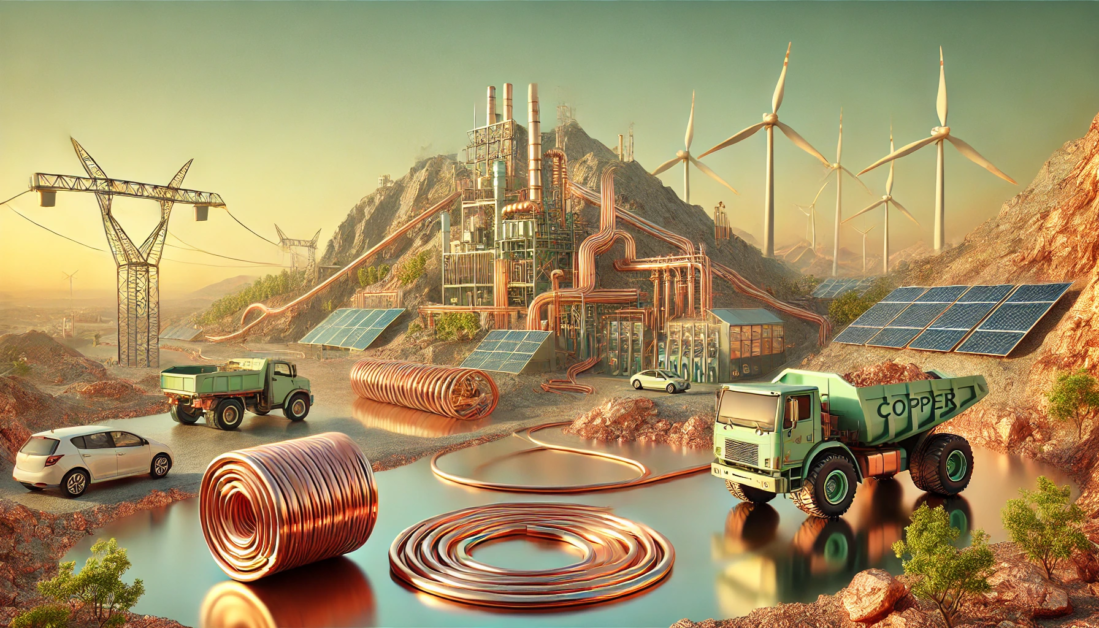
As the world accelerates its transition toward cleaner and more sustainable energy systems, certain raw materials have become increasingly important to global economic development. Among them, copper stands out as one of the most essential metals supporting the green energy revolution. Often referred to as the “metal of electrification,” copper plays a critical role in renewable energy generation, electric transportation, energy storage, and modern power infrastructure.
From solar panels and wind turbines to electric vehicles and smart grids, copper is a key component of the technologies driving the shift toward a low-carbon future. As governments and industries invest heavily in renewable energy and sustainable infrastructure, demand for copper continues to rise. This article explores why copper is indispensable to the green energy transition and how it is shaping the future of global industry.
Why Copper Is So Important
Copper possesses a unique combination of properties that make it highly valuable for industrial and technological applications.
Key characteristics include:
- Excellent electrical conductivity
- High thermal conductivity
- Corrosion resistance
- Durability
- Recyclability
- Ease of fabrication
Because copper efficiently conducts electricity, it is widely used in electrical systems and energy infrastructure. Few materials can match its performance, reliability, and versatility at a commercial scale.
These advantages have made copper one of the most important industrial metals in the world.
Copper and Renewable Energy Systems
Renewable energy technologies rely heavily on copper due to their extensive electrical components.
Solar Power
Solar photovoltaic systems require copper in:
- Solar panels
- Inverters
- Wiring systems
- Grid connections
- Electrical transformers
Copper enables efficient transmission of electricity generated by solar installations, helping maximize energy output and system performance.
As solar energy capacity expands globally, copper demand from the solar sector is expected to continue increasing.
Wind Energy
Wind turbines contain substantial quantities of copper in:
- Generators
- Power cables
- Transformers
- Grounding systems
- Grid infrastructure
Both onshore and offshore wind projects depend on copper to ensure efficient electricity generation and transmission.
The rapid growth of wind energy investments worldwide is creating significant long-term demand for the metal.
The Essential Role of Copper in Electric Vehicles
One of the most important drivers of future copper demand is the electric vehicle (EV) industry.
Compared with conventional internal combustion engine vehicles, electric vehicles require significantly more copper due to their electrical systems and battery technologies.
Copper is used in:
- Electric motors
- Battery connections
- Charging systems
- Power electronics
- Wiring harnesses
As governments promote cleaner transportation and consumers increasingly adopt electric mobility solutions, the automotive industry’s demand for copper is expected to rise substantially.
The transition from traditional vehicles to electric vehicles is therefore closely linked to the future of the copper market.
Power Grids and Energy Infrastructure
The green energy transition requires not only renewable power generation but also modernized electrical infrastructure.
Copper plays a central role in:
- Transmission lines
- Distribution networks
- Electrical substations
- Smart grid technologies
- Energy storage systems
Many countries are investing in grid modernization to support growing renewable energy capacity and improve energy efficiency.
These infrastructure upgrades depend heavily on copper-based components due to their reliability and performance.
Without significant investments in electrical networks, renewable energy expansion would be difficult to achieve on a large scale.
Copper and Energy Storage Technologies
Energy storage has become increasingly important as renewable energy generation grows.
Because solar and wind energy production can vary depending on weather conditions, efficient storage systems are needed to balance supply and demand.
Copper is widely used in:
- Battery systems
- Energy storage facilities
- Charging infrastructure
- Power conversion equipment
As battery technologies continue to evolve, copper will remain a critical material supporting energy storage deployment worldwide.
Sustainability and Recyclability
One of copper’s greatest advantages is its ability to be recycled without losing its performance characteristics.
Unlike some materials that degrade during recycling processes, copper can be reused repeatedly while maintaining its quality.
Benefits of copper recycling include:
- Reduced energy consumption
- Lower environmental impact
- Conservation of natural resources
- Support for circular economy initiatives
Today, recycled copper contributes significantly to global supply and helps improve the sustainability of the metal’s value chain.
This characteristic further strengthens copper’s role in environmentally responsible industries.
Growing Global Demand for Copper
Several long-term trends are driving increased demand for copper:
Renewable Energy Expansion
Countries worldwide are investing in solar, wind, and other renewable energy technologies that require substantial copper inputs.
Electrification of Transportation
Electric vehicles, charging stations, and related infrastructure depend heavily on copper components.
Urbanization and Infrastructure Development
Growing cities require extensive electrical networks, transportation systems, and construction projects that utilize copper.
Digital Transformation
Data centers, telecommunications networks, and advanced electronics all rely on copper’s conductivity and reliability.
Together, these factors position copper as one of the most strategically important industrial metals of the coming decades.
Copper’s Importance in Global Trade
Copper is not only vital for industrial development but also a significant commodity in international trade.
Copper products are traded globally in forms such as:
- Copper concentrates
- Refined copper cathodes
- Copper rods and wires
- Industrial copper products
- Semi-finished copper materials
Countries with strong mining, refining, and manufacturing capabilities play an important role in supplying global industries with this essential resource.
As demand continues to grow, copper is expected to remain a key component of international commodity markets.
Future Outlook for the Copper Industry
Industry experts widely recognize that copper demand is likely to increase as the world advances toward decarbonization and electrification.
Emerging opportunities include:
- Smart cities
- Renewable energy mega-projects
- Electric transportation networks
- Advanced battery systems
- Hydrogen infrastructure
- Sustainable industrial development
Meeting future demand will require continued investment in mining, processing, recycling, and supply chain efficiency.
The strategic importance of copper is expected to strengthen as governments and businesses pursue long-term sustainability goals.
Conclusion
Copper has become one of the most important materials supporting the global transition to cleaner energy and sustainable development. Its exceptional conductivity, durability, versatility, and recyclability make it indispensable for renewable energy systems, electric vehicles, power grids, and modern infrastructure.
As the green energy revolution continues to reshape industries worldwide, copper will remain at the center of this transformation. From solar panels and wind farms to electric mobility and energy storage, the future of clean energy is closely connected to the future of copper. For this reason, copper is rightly recognized as one of the key metals driving the world’s journey toward a more sustainable and electrified future.
