
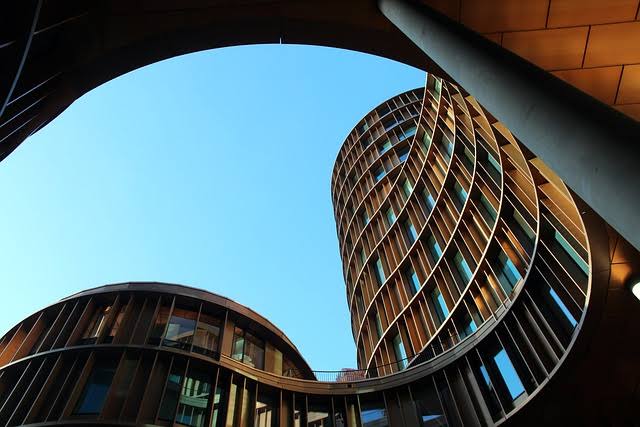
How Metals Influence Modern Architecture
How Metals Influence Modern Architecture
Introduction
Modern architecture is defined by innovation, functionality, sustainability, and aesthetic appeal. From soaring skyscrapers and iconic bridges to contemporary residential buildings and smart urban developments, architects increasingly rely on advanced materials to bring ambitious designs to life. Among these materials, metals play a particularly important role in shaping the appearance, performance, and durability of modern structures.
Steel, aluminum, copper, zinc, and other metals have transformed the construction industry by enabling larger spans, taller buildings, more efficient designs, and greater architectural creativity. Today, metals are found not only in structural frameworks but also in façades, roofing systems, interior design elements, and sustainable building technologies. This article explores how metals influence modern architecture and why they remain essential to the future of building design.
The Evolution of Metals in Architecture
For centuries, stone, wood, and brick were the primary materials used in construction. While these materials remain important today, the Industrial Revolution introduced new possibilities through the large-scale production of iron and steel.
The development of modern metallurgy enabled architects and engineers to create structures that were previously impossible to build. Metal components allowed for:
- Taller buildings
- Longer spans
- Larger windows
- Stronger frameworks
- Faster construction methods
As technology advanced, metals became integral to both structural engineering and architectural design, fundamentally changing how buildings were conceived and constructed.
Steel: The Backbone of Modern Skylines
Among all architectural metals, steel has arguably had the greatest impact on modern construction.
Structural Strength and Flexibility
Steel offers an exceptional strength-to-weight ratio, allowing architects to design taller and more complex structures while maintaining structural integrity.
Its advantages include:
- High load-bearing capacity
- Design flexibility
- Seismic resistance
- Long service life
These properties make steel the preferred material for:
- High-rise buildings
- Stadiums
- Airports
- Industrial facilities
- Large commercial developments
Without steel, many of the world’s most recognizable skyscrapers would not exist.
Architectural Freedom
Steel frameworks allow architects to create open interior spaces with fewer supporting columns. This flexibility has become a defining characteristic of modern commercial and residential architecture.
Aluminum: Lightweight and Versatile
Aluminum has become one of the most widely used metals in contemporary building design.
Modern Façades and Curtain Walls
Many modern buildings feature aluminum curtain wall systems that provide:
- Lightweight construction
- Corrosion resistance
- Energy efficiency
- Sleek aesthetics
Because aluminum is easy to fabricate and shape, architects can use it to create distinctive building exteriors and innovative design features.
Sustainability Benefits
Aluminum is highly recyclable, making it attractive for environmentally conscious construction projects. Its ability to be reused without significant loss of quality supports sustainable building practices and circular economy goals.
Copper: Aesthetic Appeal and Longevity
Copper has been used in architecture for centuries, yet it remains highly relevant in modern design.
Distinctive Appearance
Copper’s natural beauty and unique aging process make it popular for:
- Roofing systems
- Building façades
- Decorative elements
- Architectural accents
Over time, copper develops a characteristic patina that enhances its appearance while providing additional protection against environmental conditions.
Durability and Performance
Copper offers excellent corrosion resistance and can remain functional for decades with minimal maintenance, making it a valuable material for both historical restorations and contemporary projects.
Zinc and Specialty Metals in Contemporary Design
Architects increasingly utilize zinc and other specialty metals to create visually striking and durable structures.
Benefits of zinc include:
- Long lifespan
- Low maintenance requirements
- Self-healing surface properties
- Environmental sustainability
Zinc cladding and roofing systems have become popular choices for contemporary buildings that seek a balance between aesthetics and functionality.
Other specialty metals, including titanium and stainless steel, are also used in landmark architectural projects where performance and visual impact are equally important.
Metals and Sustainable Architecture
Sustainability has become a central priority in modern architecture, and metals contribute significantly to environmentally responsible building practices.
Recyclability
Many architectural metals can be recycled repeatedly without losing their performance characteristics.
Examples include:
- Steel
- Aluminum
- Copper
- Zinc
This reduces the need for virgin raw materials and supports resource conservation.
Energy Efficiency
Metal-based building systems often improve energy performance through:
- Reflective roofing materials
- Advanced insulation systems
- High-performance façades
- Solar energy integration
These features help reduce energy consumption and support green building certification programs.
Enabling Innovative Architectural Designs
One of the most significant contributions of metals to architecture is their ability to support innovative and unconventional designs.
Modern architects use metals to create:
- Curved structures
- Complex geometric forms
- Large glass façades
- Dynamic building envelopes
- Lightweight roof systems
Advances in computer-aided design and manufacturing technologies have further expanded the possibilities of metal architecture, allowing designers to push creative boundaries while maintaining structural performance.
Smart Cities and Future Construction
As cities become more technologically advanced, metals will continue to play a critical role in future urban development.
Emerging applications include:
- Smart building systems
- Renewable energy infrastructure
- Electric vehicle charging facilities
- Modular construction
- Intelligent transportation networks
Metal components are essential for integrating these technologies into modern urban environments.
The growth of smart cities is expected to increase demand for advanced metal products across construction and infrastructure sectors.
Economic Importance of Metals in Construction
The construction industry is one of the largest consumers of metal products worldwide.
Metals support numerous sectors, including:
- Residential construction
- Commercial real estate
- Industrial facilities
- Transportation infrastructure
- Public works projects
Their widespread use creates significant opportunities for mining, metal processing, manufacturing, and international trade.
As urbanization and infrastructure investment continue globally, demand for construction-related metal products is expected to remain strong.
Conclusion
Metals have fundamentally transformed modern architecture by enabling stronger, taller, more efficient, and visually striking buildings. Steel provides the structural backbone of contemporary cities, aluminum offers lightweight versatility, copper contributes beauty and durability, and specialty metals support innovative design solutions.
Beyond their structural and aesthetic benefits, metals also play a crucial role in sustainable construction, energy efficiency, and future-ready urban development. As architects continue to explore new possibilities in design and technology, metals will remain indispensable materials shaping the buildings, infrastructure, and skylines of the future.
Their influence extends far beyond construction alone—they are key drivers of innovation, sustainability, and architectural progress in an increasingly urbanized world.
