
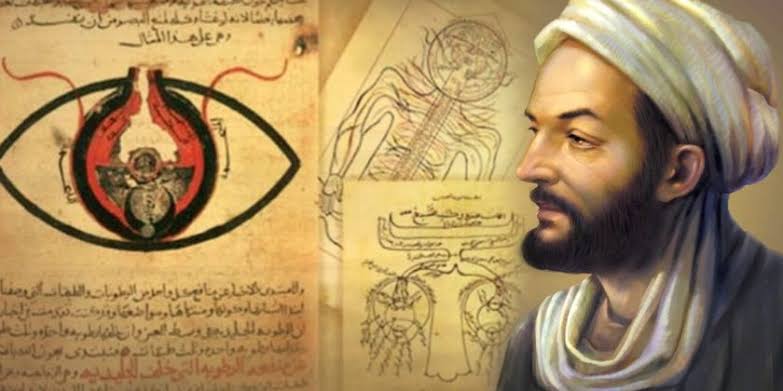
The Evolution of Medicine in Persia: From Avicenna to Modern Healthcare
Introduction
The history of medicine in Persia is one of the world’s most remarkable stories of scientific innovation, intellectual achievement, and healthcare development. For centuries, Persian scholars, physicians, and researchers contributed significantly to the advancement of medical knowledge, influencing healthcare systems across Asia, the Middle East, and Europe.
From the groundbreaking works of the renowned physician Avicenna to the sophisticated hospitals and medical research centers of modern Iran, Persian medicine has continuously evolved while maintaining its legacy of scientific inquiry and patient care. Today, Iran is recognized for its growing pharmaceutical industry, advanced medical education, specialized healthcare services, and expanding medical tourism sector.
This article explores the evolution of medicine in Persia, tracing its journey from ancient healing traditions to modern healthcare systems and examining its continuing influence on global medicine.
Ancient Foundations of Persian Medicine
Long before the emergence of modern medical science, ancient Persia had already developed organized approaches to health, hygiene, and disease treatment.
Medical knowledge in ancient Persian civilizations was influenced by observations of nature, herbal remedies, environmental health practices, and early scientific thinking. Health was viewed as a balance between physical well-being, nutrition, lifestyle, and environmental conditions.
Ancient Persian societies emphasized:
- Personal hygiene
- Clean water systems
- Public health measures
- Herbal medicine
- Preventive healthcare practices
These early concepts laid the groundwork for later medical advancements that would emerge during the Islamic Golden Age.
Avicenna: The Father of Early Modern Medicine
No discussion of Persian medical history would be complete without mentioning Avicenna (Ibn Sina), one of the most influential physicians in world history.
Born in the 10th century, Avicenna made extraordinary contributions to medicine, philosophy, mathematics, and science. His most famous medical work, The Canon of Medicine, became one of the most important medical textbooks ever written.
For centuries, the Canon served as a primary reference for physicians throughout:
- Persia
- The Islamic world
- Europe
- North Africa
The book systematically organized medical knowledge and discussed topics such as:
- Anatomy
- Diagnosis
- Pharmacology
- Disease prevention
- Clinical observation
- Medical ethics
Avicenna’s emphasis on evidence-based observation and systematic medical practice helped shape the foundations of modern medicine.
The Golden Age of Persian Medical Science
During the Islamic Golden Age, Persian scholars played a leading role in expanding medical knowledge.
Major achievements included:
- Establishment of teaching hospitals
- Development of medical education systems
- Advances in pharmacology
- Clinical research and observation
- Surgical techniques
- Disease classification
Medical centers in Persian cities attracted scholars and physicians from different regions, creating vibrant environments for scientific exchange and innovation.
Hospitals served not only as treatment facilities but also as centers for medical training and research—concepts that remain fundamental to modern healthcare institutions.
Contributions to Pharmacology and Herbal Medicine
Persian physicians made significant contributions to the study of medicinal plants and pharmaceutical preparation.
Over centuries, scholars documented the therapeutic properties of hundreds of herbs, minerals, and natural compounds. Many traditional remedies were carefully recorded and studied in medical texts.
Persian pharmacological knowledge influenced healthcare practices across multiple civilizations and contributed to the development of early pharmaceutical sciences.
Today, interest in herbal medicine and plant-based healthcare solutions continues to generate renewed appreciation for these historical contributions.
Transition to Modern Medical Education
The modernization of medicine in Iran accelerated during the 19th and 20th centuries through educational reforms and increased engagement with global scientific developments.
Modern medical schools introduced:
- Scientific research methods
- Contemporary anatomy and physiology
- Evidence-based clinical practices
- Advanced surgical techniques
- Modern diagnostic technologies
Medical education became increasingly standardized, producing generations of highly trained physicians, specialists, and healthcare professionals.
This transition enabled Iran to integrate traditional strengths in medical scholarship with modern scientific approaches.
Development of Modern Healthcare Infrastructure
Over recent decades, Iran has invested substantially in healthcare infrastructure and medical services.
Today, the country’s healthcare system includes:
- Specialized hospitals
- Research institutions
- Medical universities
- Diagnostic centers
- Pharmaceutical manufacturing facilities
- Advanced treatment clinics
Healthcare services are available across a broad range of specialties, including:
- Cardiology
- Oncology
- Orthopedics
- Organ transplantation
- Fertility treatment
- Ophthalmology
- Cosmetic surgery
This development has strengthened Iran’s position as an important healthcare provider within the region.
Iran’s Growing Pharmaceutical Industry
One of the most significant aspects of modern healthcare development in Iran is the growth of its pharmaceutical sector.
The industry has expanded its capabilities in:
- Generic medicines
- Active pharmaceutical ingredients (APIs)
- Biotechnology products
- Vaccines
- Specialized therapies
Strong scientific and technical expertise has enabled pharmaceutical companies to support both domestic healthcare needs and export opportunities in regional markets.
The continued expansion of pharmaceutical manufacturing contributes to healthcare accessibility and economic development.
Medical Research and Innovation
Iran’s universities and research institutions actively contribute to scientific advancement in healthcare and life sciences.
Research activities focus on areas such as:
- Biotechnology
- Stem cell research
- Medical devices
- Drug development
- Public health
- Clinical innovation
The growing emphasis on research and innovation reflects a broader commitment to advancing healthcare quality and improving patient outcomes.
As technology continues to evolve, medical research remains a critical component of future healthcare development.
Medical Tourism and International Healthcare Services
Iran’s combination of skilled physicians, modern medical facilities, and competitive treatment costs has contributed to the growth of medical tourism.
International patients increasingly seek services such as:
- Cosmetic surgery
- Fertility treatments
- Dental procedures
- Eye surgery
- Specialized medical care
Cities such as Tehran, Shiraz, Mashhad, and Kish have developed healthcare services that attract patients from neighboring countries and beyond.
Medical tourism represents an important connection between healthcare expertise and international service exports.
The Future of Healthcare in Iran
The future of medicine in Iran is shaped by ongoing investments in technology, education, and research.
Emerging trends include:
- Digital healthcare solutions
- Telemedicine
- Artificial intelligence in diagnostics
- Personalized medicine
- Advanced biotechnology
- Smart healthcare systems
These innovations are expected to further strengthen healthcare delivery and expand opportunities for international collaboration.
Conclusion
The evolution of medicine in Persia reflects a remarkable journey of scientific discovery, intellectual achievement, and healthcare innovation. From the pioneering contributions of Avicenna and the medical scholars of the Islamic Golden Age to the advanced hospitals, pharmaceutical companies, and research institutions of modern Iran, Persian medicine has played a meaningful role in shaping global healthcare.
Today, Iran continues to build upon this rich legacy through investments in medical education, pharmaceutical production, research, and specialized healthcare services. As the healthcare sector evolves and embraces new technologies, the centuries-old tradition of Persian medical excellence remains an important foundation for future progress and international engagement.
