
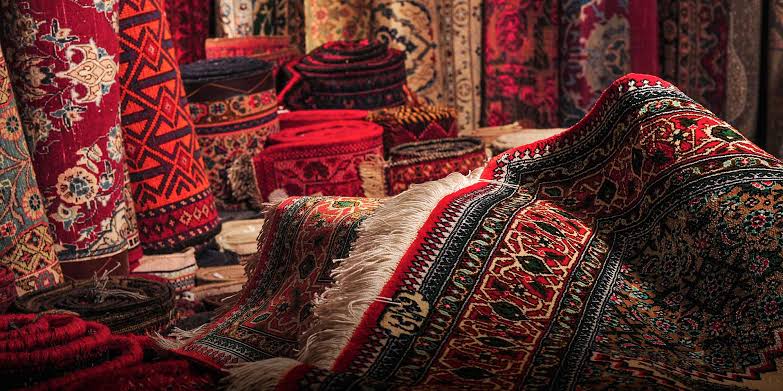
From Royal Courts to Modern Homes: The Journey of Persian Fabrics
Persian fabrics have long been admired for their exceptional craftsmanship, rich colors, intricate patterns, and deep cultural significance. For centuries, these textiles adorned royal courts, decorated palaces, and served as symbols of wealth and prestige across Asia, Europe, and the Middle East. Today, Persian fabrics continue their remarkable journey, finding a place in modern homes, luxury fashion collections, interior design projects, and international textile markets.
As global consumers increasingly seek authentic, sustainable, and culturally meaningful products, Persian textiles are experiencing renewed interest. This article explores the history, evolution, and export potential of Persian fabrics in today’s global marketplace.
The Historical Legacy of Persian Textiles
The story of Persian fabrics dates back thousands of years. Ancient Persia, strategically positioned along the Silk Road, became a major center for textile production and trade. Merchants transported Persian silk, cotton, wool, and embroidered fabrics across continents, introducing the world to the artistic excellence of Iranian weavers and textile craftsmen.
During the Achaemenid, Sassanian, and Safavid eras, textile production reached extraordinary levels of sophistication. Royal workshops created luxurious fabrics decorated with floral motifs, geometric patterns, hunting scenes, and symbolic designs inspired by Persian culture and nature. These textiles were highly valued by kings, nobles, and wealthy merchants throughout the region.
The Safavid period, in particular, is often regarded as the golden age of Persian textile arts. Cities such as Isfahan, Yazd, Kashan, and Tabriz became renowned centers of weaving, dyeing, and embroidery, producing fabrics that were exported to Europe, India, China, and the Ottoman Empire.
Traditional Persian Fabrics and Their Unique Characteristics
Persian textiles encompass a wide range of materials and techniques, each reflecting centuries of craftsmanship and regional identity.
Termeh
Termeh is one of Iran’s most famous traditional fabrics. Typically woven from silk and fine wool, it features elegant paisley patterns and intricate floral designs. Originating primarily from Yazd, Termeh remains a popular luxury textile for home décor and ceremonial use.
Persian Silk
Iranian silk production has a long history, particularly in regions near the Caspian Sea and northeastern Iran. Persian silk fabrics are appreciated for their softness, durability, and refined appearance, making them suitable for luxury garments and decorative applications.
Handwoven Cotton Textiles
Traditional Persian cotton fabrics combine comfort with artistic design. Many are still produced using centuries-old weaving methods, offering authenticity that appeals to international consumers seeking handmade products.
Brocade and Embroidered Fabrics
Persian brocade textiles often incorporate metallic threads, detailed embroidery, and complex motifs. Historically reserved for royalty and aristocracy, these fabrics continue to attract designers and collectors worldwide.
The Influence of Persian Fabrics on Global Design
Persian textile patterns have influenced fashion and interior design for centuries. The iconic paisley motif, now recognized globally, traces its origins to Persian artistic traditions. Today, designers frequently draw inspiration from Persian floral patterns, geometric compositions, and color palettes.
Luxury fashion houses incorporate Persian-inspired textiles into clothing collections, while interior designers use traditional Persian fabrics for upholstery, curtains, cushions, wall coverings, and decorative accents. Their timeless elegance allows them to complement both classical and contemporary design styles.
The increasing popularity of artisanal and heritage products has further strengthened the international appeal of Persian textiles.
Modern Applications in Homes and Lifestyle Products
The journey of Persian fabrics from royal courts to modern homes reflects their adaptability and enduring beauty. Contemporary consumers use Persian textiles in various ways:
- Decorative cushion covers
- Luxury table runners
- Wall hangings
- Bedspreads and throws
- Curtains and drapery
- Fashion accessories
- Premium gift items
- Boutique hotel décor
- Cultural and heritage-inspired interiors
As demand grows for handcrafted and sustainable products, Persian fabrics offer a unique combination of artistry, authenticity, and functionality.
Export Opportunities for Persian Textile Products
Global textile markets are increasingly favoring products that combine traditional craftsmanship with modern applications. This trend creates significant export opportunities for Iranian textile manufacturers and artisans.
Several international markets demonstrate strong demand for traditional and luxury fabrics, including:
- European Union countries
- Gulf Cooperation Council (GCC) markets
- North America
- East Asia
- Central Asia
- Luxury hospitality sectors worldwide
Persian fabrics appeal to importers because they offer distinctive designs that are difficult to replicate through mass production. Their cultural heritage adds value, enabling suppliers to position them within premium and specialty product segments.
In addition, growing consumer awareness of sustainable and handmade products creates favorable conditions for exporters of authentic Persian textiles.
Competitive Advantages of Iranian Textile Exports
Iran possesses several strengths that support the international competitiveness of its textile sector.
Rich Cultural Heritage
Few countries can match the historical depth and artistic legacy associated with Persian fabrics. This heritage serves as a powerful marketing advantage in global markets.
Skilled Craftsmanship
Generations of artisans have preserved traditional weaving, embroidery, and dyeing techniques, ensuring exceptional product quality and authenticity.
Diverse Raw Materials
Iran produces high-quality wool, cotton, and silk, providing a strong foundation for textile manufacturing.
Unique Designs
Persian patterns remain instantly recognizable and highly valued by consumers seeking distinctive products.
Premium Market Positioning
Because of their handcrafted nature and cultural significance, Persian fabrics can often command higher prices than mass-produced alternatives.
The Future of Persian Fabrics in International Markets
As consumers increasingly prioritize authenticity, craftsmanship, sustainability, and cultural storytelling, Persian fabrics are well positioned for continued growth in international markets.
Digital commerce platforms, global design trends, and increasing appreciation for heritage products are creating new opportunities for Iranian textile exporters. By combining traditional techniques with contemporary designs and modern marketing strategies, manufacturers can reach a broader global audience while preserving centuries-old craftsmanship.
The future of Persian textiles lies in balancing tradition and innovation—maintaining the artistic excellence that made them famous while adapting to the evolving needs of modern consumers.
Conclusion
From the magnificent royal courts of ancient Persia to contemporary homes around the world, Persian fabrics have completed an extraordinary journey. Their timeless beauty, cultural significance, and exceptional craftsmanship continue to captivate designers, collectors, and consumers across the globe.
For international buyers seeking authentic, high-quality textile products with a compelling cultural story, Persian fabrics represent far more than decorative materials—they embody centuries of artistic heritage, craftsmanship, and trade tradition. As global demand for unique and sustainable products grows, Persian textiles remain one of Iran’s most valuable cultural and commercial export opportunities.
