
The Evolution of Household Appliances Over the Last Century
The Evolution of Household Appliances Over the Last Century
Introduction
Household appliances have transformed modern life in ways that few technologies can match. Over the past century, appliances have evolved from simple mechanical devices into intelligent, connected systems that improve convenience, efficiency, and quality of life. From the introduction of electric refrigerators and washing machines to today’s smart home ecosystems, household appliances have played a crucial role in shaping how people live, work, and manage their homes.
As technology continues to advance, the appliance industry remains at the forefront of innovation, integrating artificial intelligence, energy efficiency, and connectivity into everyday products. Understanding the evolution of household appliances provides valuable insight into changing consumer needs, technological progress, and future market opportunities. This article explores the remarkable journey of household appliances over the last hundred years and examines the trends that continue to influence the industry today.
The Early 20th Century: The Beginning of Household Automation
At the start of the 1900s, most household tasks were performed manually. Washing clothes, preserving food, cleaning homes, and preparing meals required significant time and physical effort.
The expansion of electricity into homes created opportunities for manufacturers to develop labor-saving devices. Early household appliances included:
- Electric irons
- Vacuum cleaners
- Washing machines
- Refrigerators
- Electric stoves
These innovations represented a major shift in domestic life by reducing manual labor and improving household productivity.
Although early appliances were relatively expensive and available primarily to wealthier households, they laid the foundation for a rapidly growing industry.
The 1920s and 1930s: Appliances Become More Accessible
As electrical infrastructure expanded and manufacturing techniques improved, household appliances became increasingly accessible to a broader population.
During this period, manufacturers focused on:
- Improving reliability
- Enhancing safety features
- Reducing production costs
- Expanding product availability
Refrigerators gradually replaced traditional iceboxes, offering safer and more effective food preservation.
Similarly, washing machines began reducing the time required for laundry, allowing families to devote more time to work, education, and leisure activities.
These developments helped establish household appliances as essential components of modern homes.
The Post-War Boom: A New Era of Consumer Convenience
Following World War II, economic growth and rising living standards fueled significant demand for consumer appliances.
The 1950s and 1960s witnessed widespread adoption of:
- Refrigerators
- Freezers
- Dishwashers
- Electric ovens
- Clothes dryers
- Air conditioning systems
Manufacturers increasingly emphasized convenience, comfort, and modern lifestyles in their product designs.
This period also marked the emergence of mass production techniques that made appliances more affordable and widely available.
For many households, owning a full range of appliances became a symbol of modern living and economic progress.
Technological Advancements in the 1970s and 1980s
The following decades introduced major technological improvements that enhanced appliance performance and functionality.
Key innovations included:
- Electronic controls
- Improved motors
- Advanced refrigeration systems
- Automatic washing programs
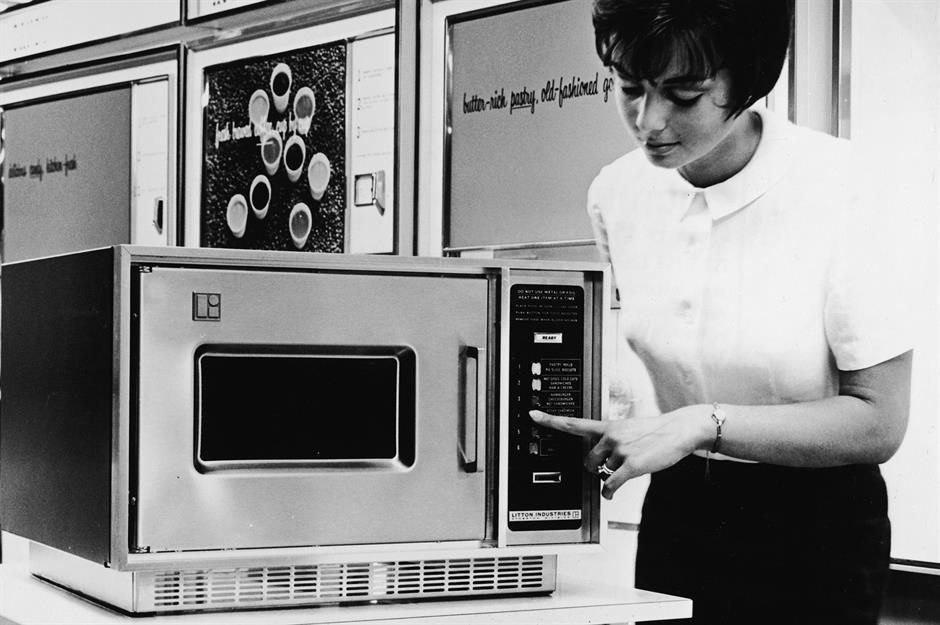
- Microwave ovens
Microwave technology revolutionized food preparation by dramatically reducing cooking times and offering new levels of convenience.
At the same time, appliance manufacturers focused on durability, performance, and user-friendly features that improved the overall consumer experience.
These advancements reflected growing consumer expectations for greater efficiency and convenience.
Energy Efficiency Becomes a Priority
By the late 20th century, rising energy costs and environmental awareness encouraged manufacturers to focus on energy-efficient appliance designs.
Governments and industry organizations introduced energy performance standards aimed at reducing electricity consumption.
Major improvements included:
- Better insulation
- Efficient compressors
- Water-saving technologies
- Advanced temperature controls
- Reduced standby power consumption
Energy-efficient appliances offered benefits for both consumers and the environment by lowering operating costs and reducing resource consumption.
Today, energy performance remains one of the most important factors influencing appliance purchasing decisions.
The Digital Revolution and Smart Controls
The emergence of digital technology fundamentally changed the appliance industry.
During the 1990s and early 2000s, manufacturers began integrating:
- Digital displays
- Electronic sensors
- Programmable settings
- Automated diagnostics
These features improved precision, convenience, and reliability.
Consumers gained greater control over appliance operation while manufacturers improved product performance through advanced electronics.
Digitalization also paved the way for the next major transformation: connected appliances.
The Rise of Smart Home Appliances
The development of the Internet of Things (IoT) introduced a new generation of intelligent household appliances.
Modern smart appliances can:
- Connect to wireless networks
- Be controlled remotely through smartphones
- Monitor energy usage
- Provide maintenance alerts
- Integrate with smart home ecosystems
Examples include:
- Smart refrigerators
- Connected washing machines
- Intelligent ovens
- Robotic vacuum cleaners
- Smart air conditioning systems
These innovations allow consumers to manage household functions more efficiently and conveniently than ever before.
As smart home adoption continues to grow, connected appliances are becoming an increasingly important segment of the global market.
Artificial Intelligence and the Future of Home Appliances
Artificial intelligence is beginning to play a significant role in appliance development.
AI-powered systems can:
- Learn user preferences
- Optimize energy consumption
- Predict maintenance needs
- Improve operational efficiency
- Enhance user experiences
For example, modern washing machines can automatically adjust water levels and washing cycles based on load characteristics, while smart refrigerators can monitor food storage conditions and inventory.
These technologies are transforming appliances from passive tools into intelligent household assistants.
Sustainability and Environmental Responsibility
Sustainability has become a major focus for appliance manufacturers worldwide.
Consumers increasingly seek products that offer:
- Lower energy consumption
- Reduced water usage
- Longer product lifespans
- Recyclable materials
- Environmentally responsible production
Manufacturers are responding by investing in eco-friendly technologies and sustainable manufacturing practices.
The growing emphasis on environmental responsibility is expected to continue shaping product development and consumer preferences in the coming years.
Global Market Growth and Industry Innovation
The household appliance industry remains one of the largest and most dynamic sectors in global manufacturing.
Several factors continue to drive market growth:
- Urbanization
- Rising incomes
- Smart home adoption
- Technological innovation
- Expanding middle-class populations
Emerging markets are creating new opportunities for manufacturers, while advanced economies continue to demand higher levels of performance, connectivity, and sustainability.
As competition intensifies, innovation remains essential for long-term success.
Conclusion
The evolution of household appliances over the last century reflects the broader story of technological progress, changing lifestyles, and consumer innovation. From the first electric refrigerators and washing machines to today’s AI-powered smart home systems, appliances have continuously transformed how people manage their homes and daily routines.
As digital technologies, artificial intelligence, and sustainability initiatives continue to reshape the industry, household appliances are expected to become even more intelligent, efficient, and connected. The journey from simple mechanical devices to smart household ecosystems demonstrates not only the progress of technology but also the ongoing pursuit of greater convenience, comfort, and quality of life for consumers around the world.
