
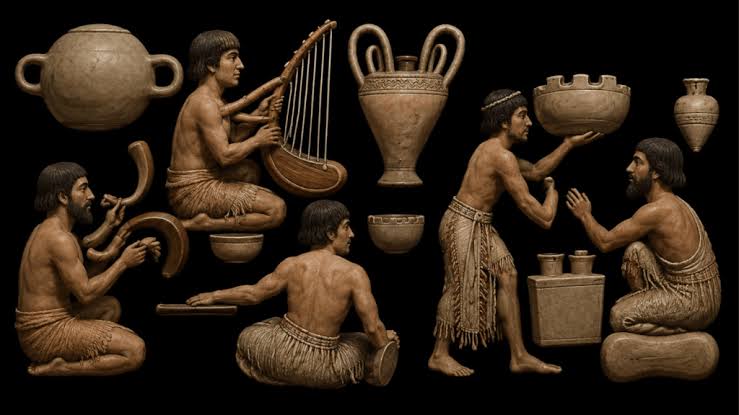
Ancient Crafts of Iran That Survived for Centuries
Ancient Crafts of Iran That Survived for Centuries
Introduction
Iran is home to one of the world’s oldest civilizations, with a cultural heritage that spans thousands of years. Throughout its history, generations of artisans have developed extraordinary crafts that reflect the country’s artistic creativity, technical skill, and rich traditions. Many of these crafts originated centuries ago and continue to thrive today, preserving techniques that have been passed down from master craftsmen to apprentices across generations.
From handwoven carpets and intricate ceramics to metalwork, textile arts, and wood carving, Iranian handicrafts represent more than decorative objects—they tell stories of history, identity, culture, and craftsmanship. In an age dominated by mass production, these traditional crafts remain highly valued for their authenticity, quality, and artistic significance.
This article explores some of the most remarkable ancient crafts of Iran that have survived for centuries and continue to inspire collectors, designers, and artisans around the world.
The Enduring Legacy of Iranian Handicrafts
Iran’s location at the crossroads of major civilizations contributed to the development of a diverse and sophisticated craft tradition.
Over centuries, Iranian artisans benefited from:
- Cultural exchanges
- Trade networks
- Access to natural materials
- Royal patronage
- Regional artistic influences
These factors helped create unique craft traditions that combined functionality with exceptional artistic expression.
Many traditional Iranian crafts continue to be practiced today, preserving cultural knowledge that has survived political, economic, and social changes throughout history.
Persian Carpet Weaving: A Global Symbol of Craftsmanship
Perhaps no Iranian craft is more internationally recognized than Persian carpet weaving.
For centuries, skilled weavers have produced handmade carpets known for:
- Intricate patterns
- Natural dyes
- Fine materials
- Exceptional durability
- Artistic detail
Different regions of Iran developed distinctive weaving styles, creating a rich diversity of designs and techniques.
Persian carpets are often regarded as both functional products and works of art. Their reputation for quality has made them highly sought after in global markets for generations.
Today, carpet weaving remains one of Iran’s most celebrated traditional crafts and an important part of the country’s cultural identity.
Pottery and Ceramics: Thousands of Years of Artistic Tradition
The history of pottery in Iran dates back several millennia.
Ancient Iranian potters created vessels, decorative objects, and architectural elements using techniques that evolved over centuries.
Iranian ceramics became known for:
- Elegant forms
- Detailed glazing
- Geometric patterns
- Floral motifs
- Technical sophistication
Cities with strong ceramic traditions developed unique artistic styles that reflected local culture and craftsmanship.
Modern ceramic artists continue to draw inspiration from these historical techniques, ensuring that this ancient craft remains relevant today.
Ghalamkar: The Art of Hand-Printed Textiles
Ghalamkar is one of Iran’s most distinctive textile traditions.
This craft involves printing decorative designs onto fabric using hand-carved wooden blocks and natural dyes.
Common themes include:
- Floral motifs
- Traditional patterns
- Historical imagery
- Geometric designs
The process requires remarkable precision and artistic skill, with some textiles involving multiple layers of printing.
Ghalamkar products remain popular for home décor, clothing, and cultural gifts, demonstrating the continued appeal of traditional textile craftsmanship.
Termeh Weaving: Luxury Textiles with Deep Cultural Roots
Termeh is a handwoven fabric traditionally associated with elegance and luxury.
Produced using fine fibers and complex weaving techniques, Termeh textiles are recognized for:
- Rich colors
- Detailed patterns
- High-quality craftsmanship
- Cultural symbolism
Historically, Termeh was often used for ceremonial garments, decorative items, and prestigious gifts.
Today, it remains one of Iran’s most respected textile arts and continues to be appreciated by collectors and enthusiasts worldwide.
Metalworking: Precision and Artistic Excellence
Iranian metalworking has a long and distinguished history dating back to ancient civilizations.
Artisans developed advanced skills in working with:
- Copper
- Brass
- Silver
- Gold
- Steel
Traditional metal crafts include:
- Engraving
- Embossing
- Inlay work
- Decorative vessels
- Artistic ornaments
These products often combine technical precision with elaborate artistic design.
The survival of traditional metalworking techniques reflects the enduring value of skilled craftsmanship in Iranian culture.
Khatamkari: The Art of Intricate Inlay Work
Khatamkari is one of the most sophisticated decorative arts in Iran.
This craft involves creating geometric patterns using tiny pieces of:
- Wood
- Bone
- Metal
- Ivory substitutes
- Colored materials
Artisans carefully assemble thousands of small components to form intricate designs that decorate boxes, furniture, frames, and decorative objects.
The level of detail achieved through Khatamkari requires patience, precision, and years of training.
Its complexity has helped preserve its status as one of Iran’s most admired traditional crafts.
Wood Carving and Traditional Joinery
Woodworking has long been an important part of Iranian craftsmanship.
Traditional artisans developed techniques for creating:
- Doors
- Windows
- Furniture
- Architectural decorations
- Religious structures
Many historic buildings feature elaborate wooden elements showcasing exceptional carving and joinery skills.
These techniques continue to influence modern furniture design and architectural restoration projects throughout the country.
Enamel Art: The Beauty of Minakari
Minakari, or Persian enamel art, combines metalworking and painting to create highly decorative objects.
The process involves:
- Shaping metal surfaces
- Applying enamel coatings
- Hand-painting detailed designs
- Firing the finished product
The resulting works often feature vibrant colors and intricate patterns inspired by Persian art and nature.
Minakari remains one of the most visually distinctive forms of Iranian craftsmanship and is widely admired by collectors and visitors.
Why Ancient Iranian Crafts Still Matter Today
In today’s global marketplace, consumers increasingly value products that offer:
- Authenticity
- Heritage
- Handmade quality
- Cultural significance
- Sustainable production
Traditional Iranian crafts meet all of these expectations.
Their continued popularity demonstrates that handcrafted products can remain relevant even in an era of industrial manufacturing and digital technology.
Furthermore, these crafts help preserve cultural heritage while supporting artisan communities and creative industries.
The Future of Traditional Iranian Craftsmanship
Although traditional crafts face challenges from modernization and mass production, many artisans are successfully adapting to contemporary markets.
Current opportunities include:
- Cultural tourism
- Luxury home décor
- International handicraft markets
- Sustainable products
- Heritage-based design collaborations
By combining traditional techniques with modern marketing and design approaches, Iranian artisans can continue sharing their craftsmanship with global audiences.
Conclusion
The ancient crafts of Iran represent centuries of artistic achievement, cultural heritage, and technical excellence. From Persian carpets and ceramics to Termeh weaving, metalwork, Khatamkari, and Minakari, these traditions have survived through generations because of their exceptional quality and enduring appeal.
Today, these crafts continue to connect the modern world with Iran’s rich cultural history. As global appreciation for authentic handmade products grows, the timeless skills of Iranian artisans remain more relevant than ever, ensuring that these remarkable traditions will continue to inspire future generations.
