Domestic and International Markets for Iran’s Downstream Steel and Copper Products
Iran’s steel and copper industries stand among the most strategic pillars of the country’s industrial and export economy. While primary production such as crude steel and copper cathode receives much attention, the downstream products—including pipes, profiles, rolled sheets, wires, cables, copper tubes, alloys, and industrial components—play an equally critical role in shaping Iran’s position in both domestic and global markets. These value-added products feed into construction, automotive, electrical, energy, and manufacturing sectors, creating broad opportunities for trade and industrial development.
1. Domestic Market: Growing Demand Across Industrial Sectors
In Iran, downstream steel and copper products supply a wide range of industries:
Steel Downstream Segment
-
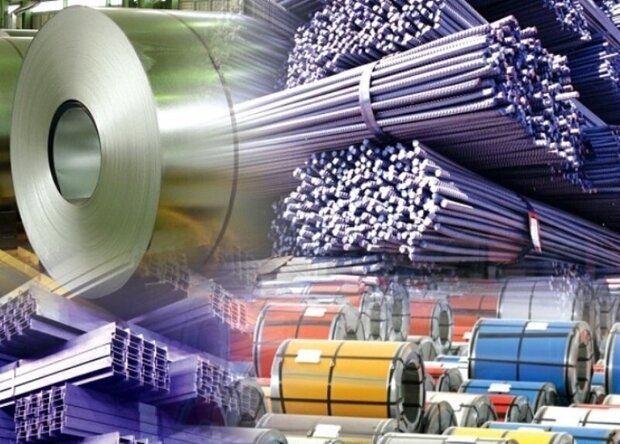
Construction and infrastructure remain the largest consumers of rebar, beams, pipes, and galvanized sheets.
-
Oil, gas, and petrochemicals demand specialized steel pipes, fittings, and pressure-resistant alloys.
-
Automotive and appliance manufacturing rely heavily on cold-rolled sheets and coated steel.
The consistent growth in urban development, renewable energy projects, and transportation infrastructure continues to strengthen domestic demand. Local manufacturers benefit from access to competitive raw materials, integrated production chains, and a large internal market.
Copper Downstream Segment
-
Iran’s electrical and electronics sector absorbs significant volumes of copper wires, cables, busbars, and conductive components.
-
Air-conditioning, refrigeration, and plumbing industries use copper tubes and alloy fittings.
-
The rise of solar power systems and electric equipment boosts demand for high-purity conductive copper products.
Given Iran’s expanding electrification needs and industrial modernization, the domestic market for copper-based downstream goods remains robust and resilient.
2. International Market: Strong Export Potential Despite Global Competition
Iran has become a notable exporter of downstream steel and copper products, particularly to Middle Eastern, Asian, and African markets.
Steel Exports
Value-added products such as:
-
galvanized steel sheets
-
steel pipes and profiles
-
hot-rolled and cold-rolled coils
-
structural components
are exported to Iraq, Afghanistan, Oman, UAE, Qatar, Turkey, East Africa, and South Asia. These markets value Iran’s competitive pricing, strong metallurgical capabilities, and proximity advantage.
Copper Exports
Key downstream copper exports include:
-
wires and cables
-
copper tubes
-
copper rods and sections
-
brass and bronze alloys
The major destinations are Turkey, China, India, Pakistan, Armenia, Georgia, and the GCC region. Iran’s copper downstream segment benefits from high-quality cathode production and well-developed fabrication facilities.
With rising global demand for conductive materials, renewable energy components, and infrastructure steel products, Iran is well-positioned to expand its export footprint.
3. Competitive Advantages of Iran in Downstream Steel and Copper Products
Iran possesses several strategic strengths:
✓ Abundant Raw Materials
Large reserves of iron ore and copper ores ensure stable feedstock for downstream industries.
✓ Integrated Production
Numerous steel and copper complexes in Iran operate from mining to final product manufacturing, reducing cost volatility.
✓ Strategic Geography
Proximity to major importing regions—Middle East, South Asia, Central Asia, and Africa—lowers logistics costs and delivery times.
✓ Skilled Industrial Workforce
Decades of metallurgical engineering experience support consistent production quality.
✓ Competitive Pricing
Lower energy and operational costs enable Iranian suppliers to offer attractive prices in global markets.
4. Key Challenges and Future Outlook
Despite strong potential, the sector faces challenges such as:
-
global price fluctuations
-
competition from China, India, and CIS countries
-
logistical and financial restrictions in some markets
However, investments in advanced rolling mills, alloy production, wire-drawing plants, and coated steel technologies are rapidly improving Iran’s product diversity and quality standards.
Future Trends
-
Growing demand for eco-friendly steel, high-conductivity copper, and specialty alloys
-
Expansion into automotive steel, power transmission products, and copper components for renewable energy systems
-
Increased partnerships with regional buyers and industrial contractors
Overall, the future of Iran’s downstream steel and copper industries is increasingly export-oriented and technologically driven.
Conclusion
The domestic and international markets for Iran’s downstream steel and copper products are expanding due to strong industrial demand, cost advantages, and strategic regional access. With continuous modernization and investment, Iran is emerging as a reliable supplier of value-added metal products for global infrastructure, energy, and manufacturing sectors.