Iran’s Position in the Production and Export of Confectionery, Biscuits, and Chocolate
Iran is one of the most dynamic producers of confectionery, biscuits, and chocolate in the Middle East. Over the past two decades, the country has shaped a strong presence in regional markets, offering a wide variety of sweet and snack products at competitive prices. With a combination of modern production lines, skilled labor, and access to high-quality raw materials, Iran has successfully positioned itself as a key exporter in this sector.
Strong Domestic Capacity and Product Diversity
Iran’s confectionery and biscuit industry is extensive and technologically advanced. Producers manufacture a wide range of products, including:
-
Biscuits, wafers, and crackers
-
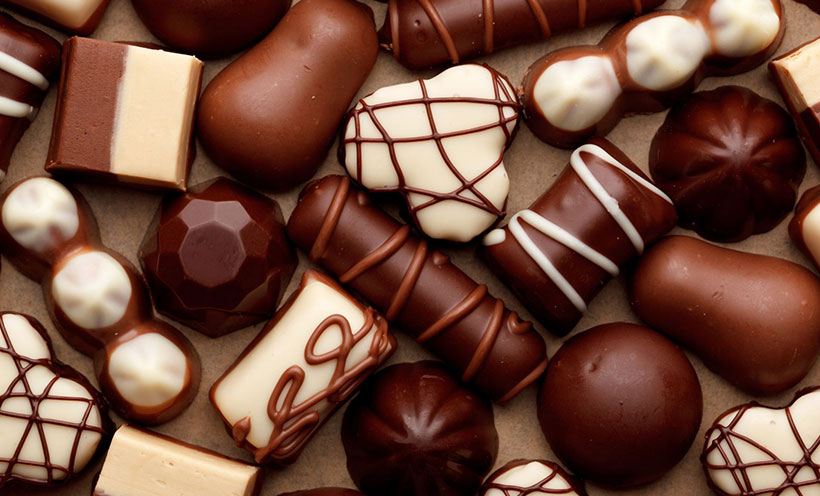
Chocolate bars, coated sweets, and cocoa-based products
-
Hard candies, gummies, and toffees
-
Traditional sweets with modern packaging
-
Snack cakes and baked confectionery
This diversity enables Iranian brands to meet the needs of different consumer groups and adapt to the tastes of foreign markets.
Competitive Advantages in Global and Regional Markets
1. Competitive Pricing
Due to relatively lower production and labor costs, Iranian confectionery products are often priced more competitively than those from Turkey, Europe, and Gulf countries.
2. Strong Export Infrastructure
Iran has well-developed food production clusters in provinces such as Tehran, Qazvin, Isfahan, Tabriz, and Khorasan. These areas host modern factories equipped with automated, high-capacity machinery suitable for large-scale exports.
3. Access to Regional Markets
Iran enjoys strategic access to major import destinations including:
-
Iraq
-
Afghanistan
-
Pakistan
-
Central Asian states
-
CIS countries
-
GCC markets
These markets show consistent demand for Iranian sweets and biscuits due to their affordability, taste, and familiarity.
4. Growing Brand Recognition
Some Iranian brands have achieved strong recognition in neighboring markets, building trust and stable distribution networks over many years.
Export Challenges
Despite strong potential, the industry also faces challenges:
1. Competition from Turkey and Europe
Turkish and European confectionery brands often dominate shelves due to their packaging quality and established global reputation.
2. Packaging and Branding Gaps
Although many Iranian producers have improved their packaging design, some still struggle to match the visual and marketing quality of international competitors.
3. Logistics and Shipping Costs
High transport costs to distant markets—especially Africa, East Asia, and Europe—can reduce price competitiveness.
4. Regulatory Barriers
Exporting chocolate and confectionery to strict markets like the EU, Japan, or Canada requires compliance with detailed food safety, labeling, and packaging regulations. Meeting these standards requires investment and technical expertise.
Growing Opportunities for Expansion
1. Rising Global Demand for Affordable Sweets
Price-sensitive consumers in the Middle East, Africa, and South Asia increasingly seek value-for-money confectionery products—an area where Iran is highly competitive.
2. Halal Certification Advantage
Iran’s ability to produce fully Halal-certified sweets and chocolates strengthens its position in Muslim-majority markets.
3. Potential for Private Label (OEM) Production
Many foreign distributors seek private-label manufacturing partners. Iranian factories, with their competitive costs and high capacity, can fulfill these orders effectively.
4. Increasing Investment in Modern Packaging
New investments in automated packaging, digital printing, and premium designs give Iranian sweets and chocolate brands a better chance of success in global retail environments.
Conclusion
Iran holds a strong and growing position in the production and export of confectionery, biscuits, and chocolate. With high-quality products, competitive prices, and expanding production capabilities, Iranian manufacturers continue to strengthen their presence across the Middle East, Asia, and select global markets. While challenges remain—particularly in branding, logistics, and regulatory compliance—the export potential of Iran’s confectionery sector remains significant.
If Iran’s producers continue to modernize packaging, enhance quality standards, and build international partnerships, the country can solidify its role as a major regional hub in the global sweets and snack industry.