
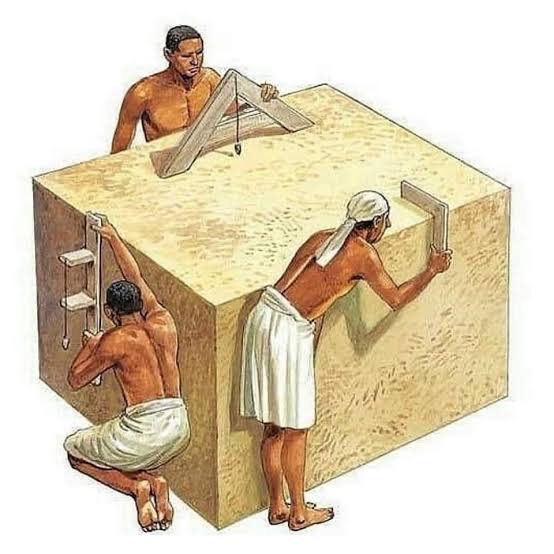
Ancient Construction Techniques That Still Inspire Engineers
Introduction
Modern engineering is often associated with advanced software, high-performance materials, and cutting-edge construction technologies. Yet many of the principles that guide today’s engineers have roots in techniques developed thousands of years ago. Ancient civilizations built structures that have survived earthquakes, harsh climates, floods, and the passage of centuries, demonstrating an extraordinary understanding of materials, design, and environmental adaptation.
From Roman concrete and Persian water management systems to ancient stone masonry and passive cooling technologies, historical construction methods continue to influence contemporary architecture and engineering. As the world increasingly focuses on sustainability, durability, and resource efficiency, engineers are revisiting ancient solutions that were remarkably effective long before modern machinery existed.
This article explores some of the most influential ancient construction techniques that continue to inspire engineers and builders around the world.
Why Ancient Engineering Still Matters
Ancient builders faced many of the same challenges modern engineers encounter today:
- Limited resources
- Environmental constraints
- Structural stability requirements
- Water management needs
- Long-term durability expectations
Without modern equipment or digital tools, they developed innovative solutions based on observation, experience, and practical engineering principles.
Many of these methods proved so effective that their influence can still be seen in contemporary construction projects and sustainable design strategies.
Roman Concrete: A Lesson in Durability
One of the most famous examples of ancient engineering innovation is Roman concrete.
Many Roman structures, including harbors, bridges, and public buildings, remain standing after nearly two thousand years.
The remarkable durability of Roman concrete has attracted significant interest from modern researchers because it often performs better over time than some contemporary concrete mixtures.
Key advantages included:
- Exceptional longevity
- Resistance to environmental degradation
- Strong structural performance
- Adaptability to large-scale construction
Engineers continue to study Roman construction materials in hopes of developing more durable and sustainable building solutions for modern infrastructure.
Persian Qanats: Mastering Water Management
Among history’s most impressive engineering achievements is the Persian qanat system.
Developed thousands of years ago, qanats are underground channels designed to transport groundwater from mountainous regions to agricultural lands and settlements.
Their advantages included:
- Reduced evaporation
- Reliable water supply
- Sustainable operation
- Long-distance water transport
Qanat systems enabled communities to thrive in arid environments where surface water was scarce.
Today, water engineers and sustainability experts study these systems as examples of efficient resource management and environmentally responsible infrastructure.
Windcatchers: Ancient Passive Cooling Technology
Long before air conditioning became available, Persian architects developed windcatchers, known as badgirs, to naturally cool buildings.
These towers captured and directed airflow into interior spaces, helping regulate temperatures in hot climates.
Benefits included:
- Reduced heat accumulation
- Improved indoor comfort
- Natural ventilation
- Minimal energy consumption
As architects seek sustainable alternatives to energy-intensive cooling systems, windcatcher principles are increasingly incorporated into modern green building designs.
This ancient technology demonstrates how environmental challenges can be addressed through intelligent engineering rather than excessive energy use.
Dry Stone Construction and Precision Masonry
Ancient civilizations often built structures using precisely cut stone blocks without mortar.
Examples can be found in:
- Ancient Persia
- Egypt
- Greece
- The Inca Empire
These structures achieved remarkable stability through careful craftsmanship and precise fitting techniques.
Advantages included:
- Structural flexibility
- Earthquake resistance
- Long-term durability
- Reduced maintenance requirements
Modern engineers continue to study ancient masonry techniques to better understand resilient structural design and the behavior of natural building materials.
The Arch: A Revolutionary Structural Innovation
The development of the arch fundamentally changed construction possibilities.
Ancient builders recognized that arches could distribute loads efficiently, allowing for:
- Larger openings
- Longer bridges
- Stronger structures
- Greater architectural flexibility
The principles behind arch construction remain central to modern structural engineering.
Today, arches continue to be used in:
- Bridges
- Tunnels
- Stadiums
- Public infrastructure
Their enduring relevance highlights the lasting impact of ancient engineering knowledge.
Ancient Urban Planning and Infrastructure
Many ancient civilizations demonstrated remarkable expertise in urban design.
Historical cities often incorporated:
- Organized street networks
- Water distribution systems
- Drainage infrastructure
- Public spaces
- Transportation routes
These planning principles contributed to efficient and sustainable urban environments.
Modern city planners continue to draw inspiration from historical approaches that emphasized functionality, accessibility, and environmental integration.
As urban populations continue to grow, lessons from ancient cities remain highly relevant.
Traditional Earth-Based Construction
In many regions, ancient builders relied on locally available materials such as:
- Adobe
- Rammed earth
- Clay bricks
- Natural stone
These materials offered several advantages:
- Low environmental impact
- Excellent thermal performance
- Local availability
- Cost efficiency
Today, sustainable construction movements increasingly explore earth-based building techniques as alternatives to more resource-intensive materials.
Modern adaptations combine traditional knowledge with contemporary engineering standards to create environmentally responsible structures.
Ancient Bridges and Long-Term Infrastructure Design
Many ancient bridges have survived for centuries despite exposure to weather, floods, and heavy use.
Their longevity can often be attributed to:
- Conservative structural design
- High-quality materials
- Effective load distribution
- Skilled craftsmanship
Engineers studying infrastructure resilience frequently examine historical bridges to understand how long-lasting structures can be designed and maintained.
The emphasis on durability offers valuable lessons for modern infrastructure development.
Sustainability Lessons from Ancient Construction
One of the most important reasons engineers continue to study ancient construction methods is their inherent sustainability.
Many historical building techniques prioritized:
- Resource efficiency
- Climate adaptation
- Material durability
- Local sourcing
- Minimal environmental impact
These principles align closely with contemporary sustainability goals.
As governments and industries seek to reduce carbon emissions and improve resource management, ancient construction practices provide practical insights into environmentally responsible building strategies.
The Future of Engineering Inspired by the Past
Technological advancement does not always require abandoning historical knowledge.
In many cases, innovation occurs when engineers combine traditional wisdom with modern science.
Emerging areas of interest include:
- Sustainable building materials
- Passive cooling systems
- Water conservation infrastructure
- Resilient urban design
- Long-lasting construction techniques
By integrating ancient engineering concepts with modern technologies, future construction projects can become more efficient, sustainable, and durable.
Conclusion
Ancient construction techniques continue to inspire engineers because they demonstrate timeless solutions to complex challenges. Whether through Roman concrete, Persian qanats, windcatchers, precision masonry, or innovative structural designs, ancient civilizations developed technologies that achieved remarkable durability, efficiency, and sustainability.
As the construction industry confronts modern challenges such as climate change, resource scarcity, and infrastructure resilience, many of these historical methods are gaining renewed relevance. By learning from the achievements of the past, engineers can develop smarter and more sustainable solutions for the future, proving that some of the world’s most valuable engineering lessons are thousands of years old.
