
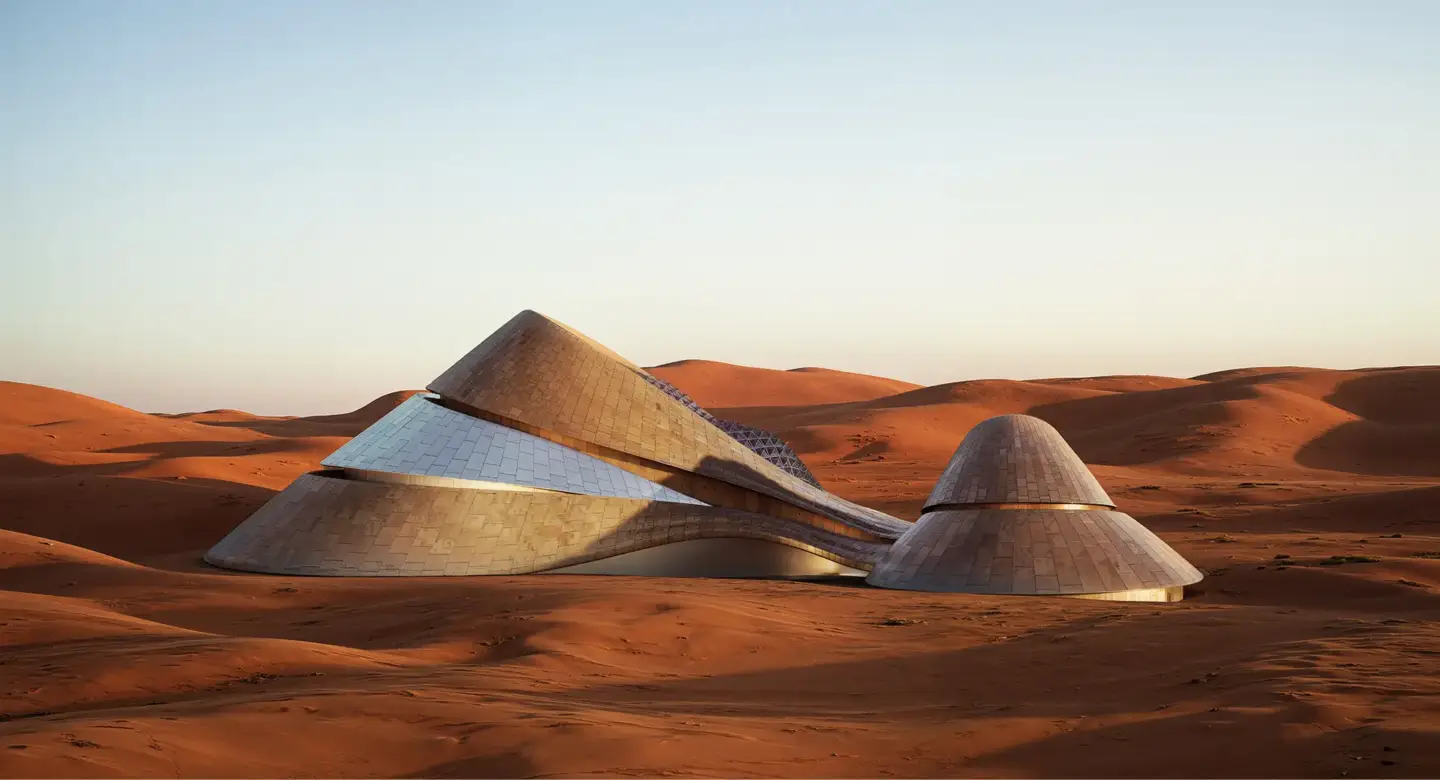
Engineering Challenges in Desert Environments
Introduction
Deserts are among the most demanding environments for engineering and infrastructure development. Extreme temperatures, limited water resources, shifting sand dunes, dust storms, and scarce vegetation create complex conditions for construction, transportation, energy production, and industrial operations. Despite these obstacles, deserts are becoming increasingly important locations for economic development, renewable energy projects, mining operations, and international infrastructure networks.
As countries invest in arid and semi-arid regions, engineers must develop innovative solutions that balance technical performance, economic feasibility, and environmental sustainability. Understanding the engineering challenges in desert environments is essential for building reliable infrastructure capable of operating under extreme conditions.
1. Extreme Temperatures and Thermal Stress
One of the most significant challenges in desert engineering is the dramatic variation in temperature. Many desert regions experience exceptionally hot daytime conditions followed by considerably cooler nights. These fluctuations place continuous stress on construction materials, mechanical equipment, electrical systems, and transportation infrastructure.
Concrete and asphalt can expand under intense heat and contract as temperatures fall. Over time, repeated thermal movement may contribute to cracking, surface deformation, and reduced structural durability. Steel structures, pipelines, and industrial equipment must also be designed to accommodate thermal expansion.
Engineers address these challenges by selecting materials suited to local climate conditions, incorporating expansion joints, improving insulation, and using protective coatings. Road construction may require specialized asphalt mixtures, while industrial facilities often need heat-resistant components and carefully designed ventilation systems.
For buildings, passive cooling techniques, reflective roofing, shaded outdoor spaces, and high-performance insulation can reduce energy consumption while improving indoor comfort.
2. Water Scarcity and Efficient Resource Management
Water scarcity is another major obstacle to development in desert regions. Construction projects, industrial facilities, agriculture, and growing urban communities all require reliable water supplies. However, groundwater reserves may be limited, rainfall is often unpredictable, and desalination can involve substantial financial and energy costs.
Engineering solutions increasingly focus on reducing water demand rather than relying exclusively on new supplies. These strategies include wastewater treatment and reuse, efficient irrigation systems, leak detection, and water recycling in industrial operations.
Advanced desalination technologies can also provide freshwater in coastal desert regions. When powered by renewable electricity, desalination may reduce dependence on conventional energy sources, although environmental impacts, infrastructure costs, and brine management must be considered.
Sustainable water management is especially important for large-scale infrastructure projects. Engineers must evaluate local water availability, long-term demand, groundwater recharge, and the environmental consequences of extraction before construction begins.
3. Sand Movement, Dust Storms, and Soil Instability
Wind-driven sand and dust can affect almost every stage of infrastructure development in deserts. Moving dunes may cover roads, railway lines, and pipelines, while airborne particles can damage machinery, reduce visibility, and interfere with electrical and mechanical systems.
Soil conditions present additional challenges. Some desert soils have low bearing capacity, while others contain salts or exhibit collapse potential when wetted. These characteristics can cause uneven settlement, foundation movement, corrosion, or structural damage if they are not identified during the design stage.
Geotechnical investigations are therefore essential before construction. Engineers may use soil stabilization, reinforced foundations, drainage improvements, and ground replacement to improve site performance. Windbreaks, carefully selected vegetation, and engineered barriers can help limit sand encroachment where local conditions permit.
For roads and railways, route planning should account for prevailing wind patterns, dune movement, and maintenance access. Industrial facilities may also require sealed enclosures, air filtration systems, and protective equipment housings to prevent dust-related failures.
4. Building Durable Infrastructure in Remote Areas
Desert development frequently involves constructing infrastructure far from major cities, established supply chains, and skilled labor centers. Remote locations can increase transportation expenses, extend project schedules, and complicate equipment maintenance.
Roads, bridges, pipelines, telecommunications networks, power lines, and industrial facilities must be designed to operate reliably despite limited access to repair services. Construction teams may also face restrictions on available water, temporary accommodation, and material storage.
Modular construction and prefabricated components can help reduce on-site labor requirements and accelerate installation. Digital monitoring systems allow operators to detect equipment problems before they lead to costly failures. Drones, satellite imagery, and geographic information systems can support surveying, route selection, and infrastructure inspections across large areas.
Effective project planning is equally important. Engineers and contractors must coordinate material deliveries, spare-parts availability, workforce logistics, and maintenance schedules from the beginning rather than treating them as secondary considerations.
5. Renewable Energy Opportunities in Desert Regions
Although deserts create substantial engineering difficulties, they also offer important advantages for renewable energy development. Many arid regions receive high levels of solar radiation and contain extensive areas suitable for solar power installations. Some locations also offer favorable conditions for wind energy.
Solar photovoltaic systems can provide electricity for remote communities, industrial facilities, water pumping, and telecommunications infrastructure. Concentrated solar power may also be suitable for certain projects where thermal energy storage and local conditions justify the investment.
However, solar installations face their own engineering challenges. Dust accumulation reduces panel efficiency, while high temperatures can lower photovoltaic performance and accelerate component degradation. Windblown sand may also damage exposed surfaces.
Engineers address these issues through suitable equipment selection, effective ventilation, optimized panel positioning, and cleaning strategies adapted to local water availability. Robotic or water-efficient cleaning systems can be particularly useful in large installations.
Renewable energy can also support water treatment, desalination, and industrial operations, creating opportunities to develop more resilient infrastructure in remote desert locations.
6. Corrosion, Equipment Reliability, and Maintenance
Desert environments are not uniformly dry, and coastal deserts may combine high temperatures with humidity and airborne salts. In addition, saline groundwater and salt-bearing soils can accelerate corrosion in buried pipelines, foundations, and industrial equipment.
Dust infiltration, ultraviolet radiation, and thermal cycling can further shorten the service life of exposed components. Electrical connectors, sensors, pumps, and cooling systems may require specialized protection.
Engineers can improve reliability by applying corrosion-resistant materials and coatings, installing suitable seals and filtration systems, and selecting equipment designed for high ambient temperatures. Predictive maintenance technologies, including vibration analysis and remote condition monitoring, can help identify developing faults before equipment fails.
A lifecycle approach is essential. Although durable materials and advanced monitoring systems may increase initial project costs, they can reduce unplanned downtime, replacement expenses, and long-term maintenance requirements.
7. Sustainable Desert Engineering and Future Innovations
The future of desert engineering depends on integrating technological innovation with environmental responsibility. Infrastructure projects must consider not only construction costs and operational performance but also water consumption, habitat disturbance, energy demand, and long-term climate conditions.
Building information modeling (BIM), digital twins, artificial intelligence, and advanced environmental sensors can help engineers simulate extreme conditions, optimize designs, and improve asset management. New materials, including advanced composites and improved thermal insulation systems, may also extend infrastructure lifespans in harsh climates.
However, technological solutions must be adapted to local conditions. A design that works in a hot, sandy inland desert may not be suitable for a coastal desert with saline air or a high-altitude desert with freezing nighttime temperatures.
Successful projects therefore combine accurate environmental assessments, reliable engineering methods, local expertise, and realistic maintenance planning.
Conclusion
Engineering challenges in desert environments require a combination of durable materials, innovative technologies, efficient resource management, and long-term planning. Extreme temperatures, water scarcity, shifting sands, remote logistics, and equipment degradation can significantly increase the complexity of infrastructure development.
At the same time, deserts offer substantial opportunities in renewable energy, transportation, industrial development, and advanced construction. By combining sustainable engineering practices with climate-specific design, engineers can build infrastructure that performs reliably while minimizing environmental impact.
As investment in arid regions continues to grow, expertise in desert engineering will remain valuable for governments, construction companies, energy developers, and international infrastructure partners seeking solutions for some of the world’s most challenging environments.
