
From Oil and Gas to Everyday Products: Understanding the Supply Chain
Introduction
Most people associate oil and gas with fuel for vehicles, power generation, or industrial energy. However, the influence of these resources extends far beyond gasoline stations and power plants. In reality, oil and natural gas serve as the foundation of countless products used in everyday life. From packaging materials and smartphones to clothing, medical equipment, and household goods, modern society depends heavily on a vast and interconnected oil and gas supply chain.
Understanding how crude oil and natural gas are transformed into consumer products provides valuable insight into the global economy and the industries that support modern living. This article explores the journey from oil and gas extraction to the production of everyday items, highlighting the critical role of the petrochemical supply chain.
The Beginning: Oil and Natural Gas Extraction
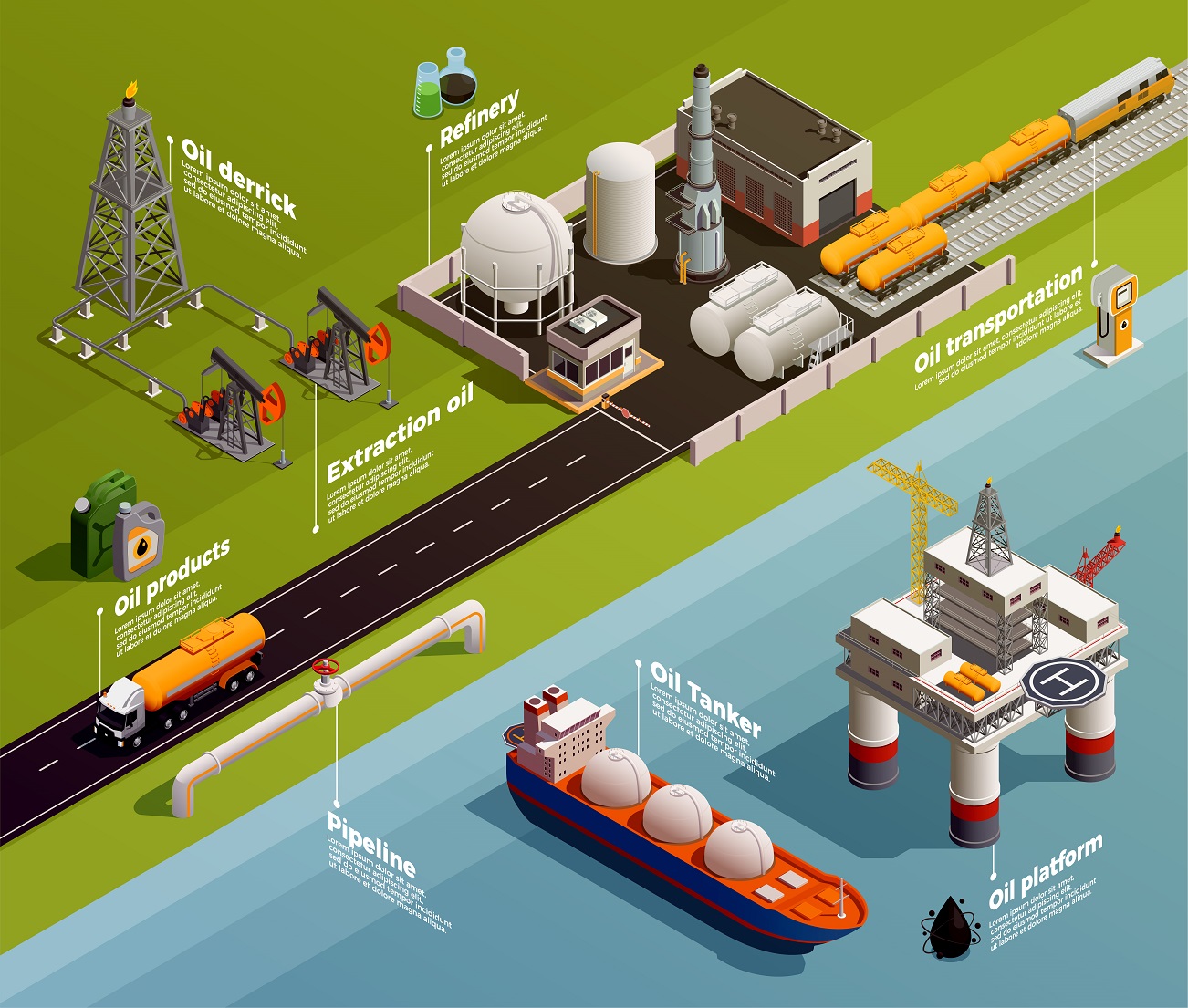
The supply chain starts with the exploration and extraction of crude oil and natural gas from underground reservoirs. Energy companies use advanced technologies to locate and access these resources through drilling operations onshore and offshore.
Once extracted, crude oil and natural gas are transported through pipelines, ships, rail systems, and trucks to processing facilities. At this stage, the raw materials are not yet suitable for most industrial applications and must undergo extensive refinement and processing.
The efficiency of this first step is essential because it supplies the raw materials needed for numerous downstream industries worldwide.
Refining: Transforming Raw Resources into Usable Materials
Crude oil consists of a complex mixture of hydrocarbons. Refineries separate these components through processes such as distillation, cracking, and reforming.
The refining process produces various products, including:
- Gasoline
- Diesel fuel
- Jet fuel
- Lubricants
- Asphalt
- Petrochemical feedstocks
Natural gas processing facilities also separate valuable components such as methane, ethane, propane, and butane. These materials become important feedstocks for the petrochemical industry.
At this stage, the supply chain moves beyond energy production and enters the world of industrial manufacturing.
Petrochemicals: The Building Blocks of Modern Products
Petrochemicals are chemical compounds derived from oil and natural gas. They serve as essential raw materials for thousands of products used every day.
Key petrochemical feedstocks include:
- Ethylene
- Propylene
- Methanol
- Benzene
- Toluene
- Xylene
These substances are transformed into polymers, synthetic fibers, chemicals, and industrial materials that support countless manufacturing sectors.
Without petrochemicals, many products that people rely on daily would simply not exist.
Plastics and Packaging: A Major Downstream Industry
One of the largest applications of petrochemicals is plastic production.
Materials such as polyethylene, polypropylene, and PET are used to manufacture:
- Food packaging
- Water bottles
- Shopping bags
- Storage containers
- Protective packaging materials
Modern packaging plays a crucial role in preserving food, reducing waste, and supporting global trade. Many industries depend on lightweight, durable plastic materials to transport products safely and efficiently.
As consumer demand continues to grow, packaging remains one of the most important links in the petrochemical value chain.
Textiles and Fashion: Beyond Natural Fibers
Many people are surprised to learn that oil and gas contribute significantly to the textile industry.
Synthetic fibers produced from petrochemical feedstocks include:
- Polyester
- Nylon
- Acrylic
- Spandex
These materials are widely used in:
- Sportswear
- Outdoor clothing
- Home textiles
- Carpets
- Upholstery
Synthetic fibers provide durability, flexibility, and affordability, making them essential components of the global fashion and textile sectors.
Today, many garments contain a blend of natural and synthetic fibers, demonstrating the close relationship between energy resources and consumer fashion.
Healthcare and Medical Applications
The healthcare industry relies extensively on petrochemical-derived materials.
Examples include:
- Medical tubing
- Syringes
- Surgical gloves
- Protective equipment
- Pharmaceutical packaging
- Medical devices
These products help maintain hygiene, safety, and efficiency in healthcare systems around the world.
The COVID-19 pandemic highlighted the importance of petrochemical supply chains, as many essential medical products depended on materials derived from oil and gas.
Electronics and Modern Technology
The technology sector also benefits significantly from petrochemical products.
Many electronic devices contain components made from petrochemical materials, including:
- Smartphone casings
- Computer components
- Electrical insulation
- Circuit board materials
- Cable coatings
The durability and versatility of these materials make them indispensable in modern electronics manufacturing.
As digital technologies continue to expand globally, demand for advanced petrochemical materials is expected to grow alongside them.
Agriculture and Food Production
Oil and gas contribute indirectly to global food security through agricultural inputs.
Petrochemical products are used to manufacture:
- Fertilizers
- Crop protection products
- Irrigation materials
- Greenhouse coverings
- Agricultural packaging
Nitrogen-based fertilizers, many of which are derived from natural gas, play a vital role in increasing agricultural productivity and supporting global food supplies.
This connection demonstrates how the oil and gas supply chain extends far beyond energy and into essential sectors that affect everyday life.
The Global Nature of the Supply Chain
The journey from oil and gas extraction to consumer products involves a complex international network of producers, processors, manufacturers, logistics providers, and retailers.
A typical product may involve:
- Raw material extraction
- Refining and processing
- Petrochemical production
- Manufacturing
- Packaging
- Transportation
- Retail distribution
Each stage adds value and creates economic opportunities across multiple industries and countries.
This interconnected system supports millions of jobs and contributes significantly to global economic development.
Sustainability and the Future of Petrochemical Supply Chains
As sustainability becomes a global priority, the petrochemical industry is investing in innovative solutions to reduce environmental impact.
Key developments include:
- Advanced recycling technologies
- Lightweight packaging materials
- Bio-based alternatives
- Energy-efficient production methods
- Circular economy initiatives
These innovations aim to improve resource efficiency while maintaining the benefits that petrochemical products provide to modern society.
The future of the industry will likely involve a combination of traditional petrochemical production and emerging sustainable technologies.
Conclusion
From the moment oil and natural gas are extracted from the ground to the production of packaging, clothing, medical devices, electronics, and agricultural inputs, the supply chain plays a vital role in supporting modern life. What begins as raw energy resources ultimately becomes the foundation for thousands of products used by billions of people every day.
Understanding this journey highlights the importance of the petrochemical industry within the global economy. As industries continue to innovate and adapt to changing market demands, oil and gas will remain essential components of many supply chains, connecting energy production with the products and technologies that shape our daily lives.
