
How Saffron Became the World’s Most Valuable Spice
Introduction
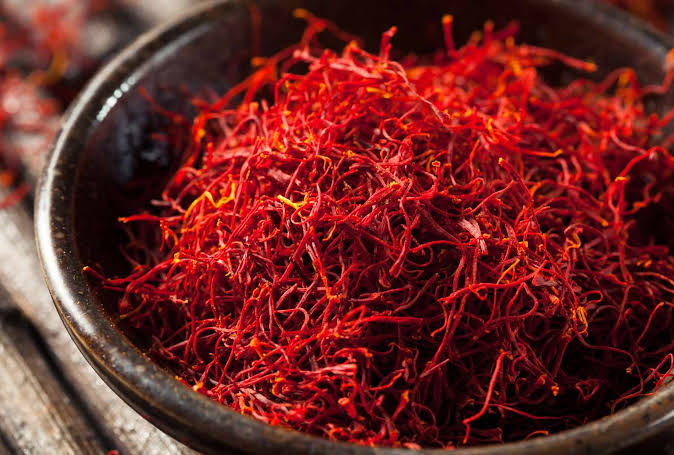
Among the countless spices traded across the world, none has achieved the reputation, value, and prestige of saffron. Often referred to as “Red Gold,” saffron is recognized as the world’s most valuable spice due to its unique cultivation process, exceptional culinary properties, and limited production. For centuries, this vibrant crimson spice has played an important role in cuisine, medicine, culture, and international trade.
Today, saffron remains a highly sought-after product in global markets, used by chefs, food manufacturers, pharmaceutical companies, and cosmetic brands. But what makes saffron so valuable compared to other spices? How did it earn its status as one of the most expensive agricultural products in the world? This article explores the fascinating history, production process, and global significance of saffron.
The Ancient Origins of Saffron
The history of saffron dates back thousands of years. Historical evidence suggests that saffron was cultivated and traded in ancient civilizations across Persia, the Mediterranean region, and parts of Asia.
For centuries, saffron was prized not only as a culinary ingredient but also for its use in:
- Traditional medicine
- Perfumes and fragrances
- Textile dyes
- Religious ceremonies
- Royal and luxury goods
Ancient Persian traders played a significant role in introducing saffron to international markets through major trade routes connecting Asia, the Middle East, and Europe.
Over time, saffron became associated with wealth, luxury, and refinement, further enhancing its value and global appeal.
What Exactly Is Saffron?
Saffron comes from the flower of Crocus sativus, commonly known as the saffron crocus.
The spice itself is derived from the flower’s delicate red stigmas. Each flower produces only three stigmas, which must be carefully harvested by hand.
This seemingly simple fact is one of the primary reasons behind saffron’s extraordinary value.
To produce a relatively small quantity of saffron, thousands of flowers are required. The harvesting process is highly labor-intensive and demands precision, patience, and skilled workers.
Unlike many other agricultural products, saffron production remains largely dependent on manual labor, contributing significantly to its premium market price.
Why Saffron Is the World’s Most Valuable Spice
Several factors combine to make saffron the most expensive spice on the global market.
Labor-Intensive Harvesting
The harvesting process is performed almost entirely by hand. Workers carefully pick the flowers during a short harvesting season and separate the delicate stigmas individually.
Because mechanized harvesting is not practical for saffron flowers, labor remains the dominant production cost.
Low Yield Per Flower
Each flower provides only a tiny amount of usable saffron.
It can take approximately:
- Tens of thousands of flowers
- Hundreds of labor hours
- Extensive manual processing
to produce a single kilogram of premium saffron.
This extremely low yield contributes directly to its rarity and value.
Limited Suitable Growing Regions
Saffron requires specific climatic conditions to thrive.
Ideal cultivation areas typically feature:
- Hot, dry summers
- Cold winters
- Well-drained soil
- Moderate rainfall
Only a limited number of regions around the world can consistently provide these conditions, restricting global production capacity.
The Unique Qualities That Drive Global Demand
Saffron’s value is not based solely on scarcity. Its unique characteristics also contribute to strong international demand.
Exceptional Flavor
Saffron provides a distinctive taste profile that cannot be easily replicated by other spices.
Its flavor is often described as:
- Rich
- Floral
- Slightly sweet
- Earthy
- Complex
Even small quantities can significantly enhance a dish.
Vibrant Color
One of saffron’s most recognizable features is its ability to impart a brilliant golden-yellow color to food.
This natural coloring property makes it highly desirable in culinary applications worldwide.
Distinctive Aroma
Saffron contains natural aromatic compounds that contribute to its unique fragrance and sensory appeal.
Together, these characteristics make saffron a premium ingredient in many traditional and modern cuisines.
Saffron in Global Cuisine
Saffron plays a central role in numerous culinary traditions.
Popular applications include:
- Rice dishes
- Seafood recipes
- Desserts
- Confectionery products
- Beverages
- Premium sauces
Many famous international dishes rely on saffron as a signature ingredient.
Chefs and food manufacturers value saffron for its ability to transform ordinary recipes into premium culinary experiences.
As consumer interest in authentic and gourmet foods continues to grow, demand for high-quality saffron remains strong across global markets.
Beyond Food: Saffron in Health, Wellness, and Cosmetics
The use of saffron extends far beyond the kitchen.
Today, saffron is increasingly utilized in:
Nutraceuticals and Supplements
Researchers and manufacturers continue exploring saffron’s potential applications in health and wellness products.
Cosmetics and Personal Care
The beauty industry incorporates saffron into various products due to its association with luxury, natural ingredients, and premium skincare formulations.
Herbal and Traditional Products
Saffron has a long history in traditional wellness practices and continues to be used in herbal preparations in various regions.
These diverse applications help expand market demand beyond the food industry.
International Trade and Export Opportunities
Saffron is one of the most internationally traded specialty agricultural products.
Major import markets include:
- Europe
- China
- India
- Gulf countries
- North America
- East Asia
Global buyers seek saffron for:
- Retail packaging
- Food processing
- Pharmaceutical applications
- Cosmetic manufacturing
- Hospitality and luxury food services
Its high value-to-weight ratio makes saffron particularly attractive for international trade and export businesses.
Quality Grades and Market Value
Not all saffron is created equal.
Several factors influence saffron quality and market pricing, including:
- Color strength
- Aroma intensity
- Purity
- Moisture content
- Harvesting methods
- Processing standards
Premium-grade saffron commands significantly higher prices in international markets due to its superior characteristics and performance.
For buyers and importers, quality assurance and product authenticity are critical purchasing considerations.
The Future of the Global Saffron Market
Growing consumer interest in natural ingredients, gourmet foods, and premium wellness products continues to support long-term demand for saffron.
Key trends shaping the market include:
- Rising demand for natural food ingredients
- Growth in luxury food segments
- Expansion of health and wellness products
- Increasing interest in authentic culinary experiences
- Development of premium export brands
These factors suggest continued opportunities for saffron producers, exporters, and international traders.
Conclusion
Saffron earned its title as the world’s most valuable spice through a unique combination of rarity, labor-intensive production, exceptional quality, and centuries of cultural significance. From ancient trade routes to modern global markets, saffron has remained a symbol of luxury, craftsmanship, and culinary excellence.
Its remarkable flavor, vibrant color, distinctive aroma, and diverse applications continue to drive demand across food, health, and cosmetic industries worldwide. As global appreciation for premium natural products grows, saffron’s position as “Red Gold” remains firmly established, ensuring its ongoing importance in international trade and global gastronomy.
