
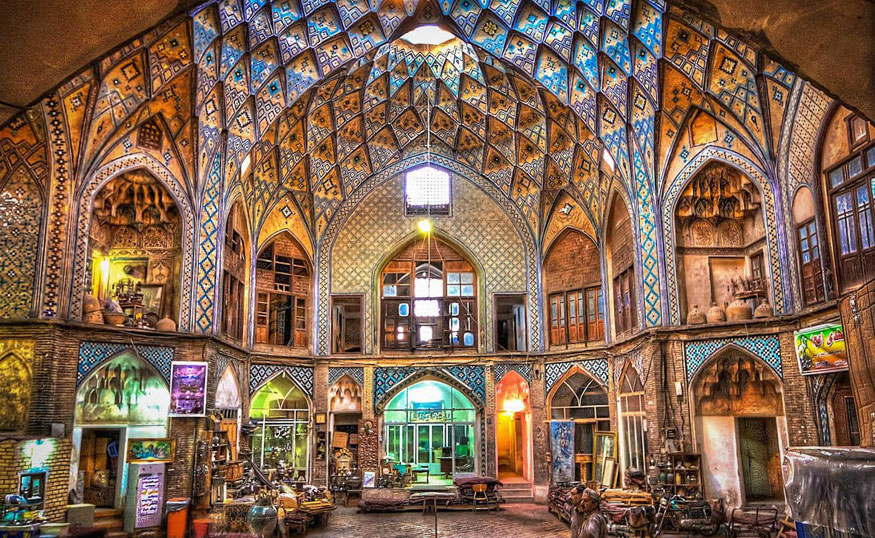
Persian Architecture: Engineering Marvels Through History
Introduction
Persian architecture stands among the world’s most influential and enduring architectural traditions. For thousands of years, Persian builders, engineers, and artisans developed innovative construction techniques that allowed them to create magnificent palaces, mosques, gardens, bridges, caravanserais, and urban infrastructures across diverse climates and landscapes. These achievements were not only artistic masterpieces but also remarkable examples of engineering ingenuity.
From the monumental terraces of ancient empires to sophisticated water management systems and climate-responsive buildings, Persian architecture reflects a deep understanding of engineering, mathematics, materials, and environmental adaptation. Many of the concepts developed centuries ago continue to inspire modern architects, urban planners, and engineers around the world.
This article explores the evolution of Persian architecture and highlights the engineering marvels that have shaped its legacy throughout history.
The Foundations of Persian Architectural Excellence
The roots of Persian architecture can be traced back more than 2,500 years to the great civilizations of ancient Persia. Throughout different historical periods, architects combined aesthetics with functionality, creating structures that were both visually impressive and technically advanced.
Several principles consistently defined Persian architecture:
- Symmetry and balance
- Structural durability
- Efficient use of local materials
- Environmental adaptation
- Integration of art and engineering
- Human-centered design
These principles enabled Persian builders to construct monuments capable of enduring for centuries while remaining practical and comfortable for their users.
Persepolis: A Monument to Ancient Engineering
One of the most iconic achievements of ancient Persia is Persepolis, the ceremonial capital of the Achaemenid Empire.
Constructed more than 2,500 years ago, Persepolis demonstrates extraordinary engineering capabilities for its time.
Notable features include:
- Massive stone terraces
- Precision-cut columns
- Advanced drainage systems
- Monumental staircases
- Sophisticated structural planning
The construction required careful coordination of labor, materials, and logistics on a scale rarely seen in the ancient world.
Even today, engineers and historians continue to study Persepolis as an example of advanced ancient construction techniques.
The Innovation of Persian Domes
The dome became one of the most recognizable elements of Persian architecture.
Persian architects developed sophisticated methods for constructing large, stable domes long before modern engineering tools existed.
The advantages of dome construction included:
- Structural efficiency
- Large interior spaces
- Improved airflow
- Enhanced aesthetics
Over centuries, Persian builders refined dome technology through mathematical precision and innovative structural solutions.
These developments later influenced architectural traditions throughout the Islamic world and beyond.
Many contemporary dome designs still draw inspiration from Persian engineering principles.
Windcatchers: Ancient Climate-Control Technology
One of Persia’s most remarkable engineering innovations is the windcatcher, known locally as a badgir.
Long before air conditioning existed, Persian engineers developed these towers to cool buildings naturally.
Windcatchers function by:
- Capturing airflow
- Directing cool air indoors
- Enhancing natural ventilation
- Reducing indoor temperatures
This passive cooling technology was particularly effective in desert regions where temperatures could become extremely high.
Today, architects interested in sustainable design often study windcatchers as early examples of energy-efficient climate control systems.
Qanats: Engineering Water in Arid Landscapes
Water management has always been essential in much of Iran’s arid environment.
To address this challenge, Persian engineers developed the qanat, an underground water transportation system that remains one of history’s most impressive hydraulic achievements.
Qanats enabled communities to:
- Access groundwater
- Irrigate agricultural land
- Supply urban settlements
- Sustain economic activity in dry regions
These systems transported water over long distances while minimizing evaporation losses.
The influence of qanat technology spread to many regions of Asia, North Africa, and even parts of Europe, demonstrating the global impact of Persian engineering innovation.
Bridges That Combined Function and Beauty
Persian architects approached bridge construction as both an engineering challenge and an artistic opportunity.
Historic bridges often served multiple purposes, including:
- Transportation
- Water management
- Public gathering spaces
- Urban connectivity
Examples such as the famous bridges of Isfahan showcase how Persian engineers successfully integrated structural performance with architectural elegance.
These structures were designed to withstand environmental conditions while enhancing the cultural and social life of the surrounding community.
Persian Gardens: Engineering Nature
Persian gardens are widely recognized for their beauty, but they also represent sophisticated engineering achievements.
Designed according to principles of geometry, water management, and environmental balance, these gardens incorporated:
- Irrigation networks
- Water channels
- Fountains
- Shaded walkways
- Carefully planned landscapes
The famous concept of the Persian Garden influenced garden design traditions throughout Asia, the Middle East, and Europe.
Their success depended on precise engineering solutions that transformed challenging environments into productive and aesthetically pleasing spaces.
Architectural Adaptation to Diverse Climates
Iran’s geography includes deserts, mountains, forests, and coastal regions, each presenting unique environmental challenges.
Persian architecture evolved to address these conditions through:
- Thick thermal walls
- Courtyard designs
- Underground spaces
- Natural ventilation systems
- Climate-responsive materials
These strategies improved comfort while reducing reliance on external energy sources.
Modern sustainable architecture increasingly revisits these traditional solutions as designers seek environmentally responsible building methods.
Persian Architecture’s Influence on the Modern World
The impact of Persian architectural innovation extends far beyond Iran.
Elements inspired by Persian design can be found in:
- Islamic architecture
- Mughal architecture
- Central Asian monuments
- Contemporary sustainable design
- Modern landscape architecture
Architects continue to study Persian techniques for insights into:
- Passive cooling
- Water management
- Urban planning
- Structural design
- Environmental sustainability
The enduring relevance of these principles highlights the sophistication of Persian engineering traditions.
Lessons for Contemporary Construction
Many challenges faced by modern architects—such as energy efficiency, sustainability, and climate adaptation—were addressed centuries ago by Persian builders.
Today, the construction industry increasingly values:
- Passive environmental design
- Resource efficiency
- Durable materials
- Long-term sustainability
Persian architecture offers valuable examples of how engineering innovation can coexist with beauty, functionality, and environmental responsibility.
These lessons remain highly relevant as cities and infrastructure continue to evolve.
Conclusion
Persian architecture represents one of history’s greatest achievements in engineering and design. From the monumental grandeur of Persepolis and the elegance of Persian domes to the ingenuity of qanats and windcatchers, Persian builders developed solutions that addressed complex structural and environmental challenges with remarkable creativity.
These engineering marvels not only shaped the development of architecture across multiple civilizations but also continue to inspire modern approaches to sustainable construction and urban design. As architects and engineers seek innovative solutions for the future, the legacy of Persian architecture serves as a powerful reminder that some of the world’s most advanced ideas were conceived centuries ago and remain relevant today.
