
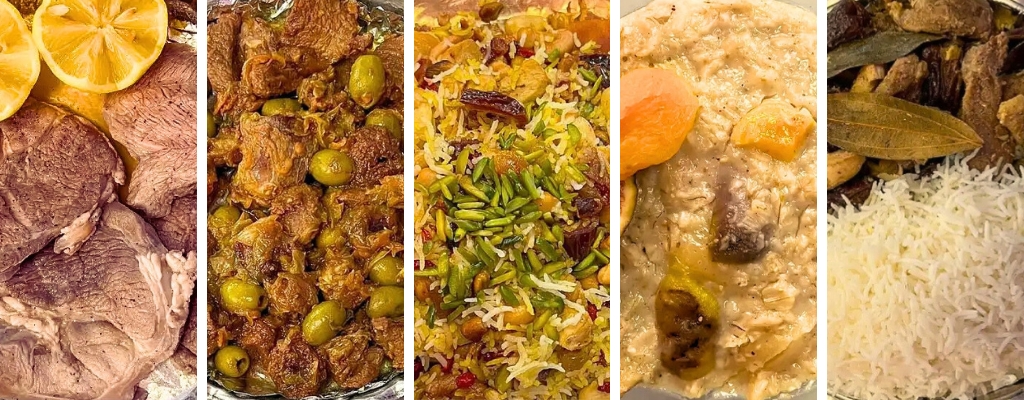
Superfoods from Iran: Ancient Ingredients for Modern Diets
Introduction
As consumers around the world become increasingly interested in healthy lifestyles, natural nutrition, and functional foods, the demand for nutrient-rich “superfoods” continues to grow. While many people are familiar with globally popular superfoods such as quinoa, chia seeds, and blueberries, fewer are aware that Iran is home to a remarkable variety of traditional ingredients that have been valued for centuries for their nutritional benefits and culinary versatility.
From saffron and pistachios to dates, barberries, raisins, and medicinal herbs, Iran offers a diverse range of natural products that align perfectly with modern dietary trends. These ancient ingredients have long been part of Persian cuisine and traditional wellness practices, and today they are gaining recognition in international markets as premium superfoods. This article explores some of the most notable superfoods from Iran and their growing appeal among health-conscious consumers worldwide.
What Makes a Food a “Superfood”?
Although there is no official scientific definition of a superfood, the term is commonly used to describe foods that are rich in nutrients and offer a variety of health-supporting properties.
Superfoods are often characterized by:
- High vitamin and mineral content
- Antioxidant compounds
- Beneficial plant nutrients
- Healthy fats
- Fiber-rich composition
- Natural and minimally processed origins
Many traditional Iranian agricultural products naturally meet these criteria, making them attractive choices for modern diets focused on wellness and balanced nutrition.
Saffron: The World’s Most Valuable Spice
Saffron is one of Iran’s most famous agricultural products and is often referred to as “Red Gold.”
Beyond its culinary value, saffron is appreciated for its:
- Powerful antioxidant compounds
- Distinctive aroma and flavor
- Natural coloring properties
- Use in premium food and beverage products
For centuries, saffron has played a role in Persian cuisine and traditional wellness practices. Today, it is widely used in gourmet foods, herbal products, dietary supplements, and luxury beverages.
Its unique combination of rarity, flavor, and nutritional value has helped establish saffron as one of the world’s most sought-after superfoods.
Pistachios: A Nutrient-Dense Global Favorite
Iran has long been recognized as one of the leading producers of premium pistachios.
These nutrient-rich nuts are valued for their content of:
- Plant-based protein
- Healthy fats
- Fiber
- Vitamins and minerals
- Antioxidants
Pistachios are widely consumed as snacks and are also used in bakery products, confectionery items, dairy products, and healthy food formulations.
As consumers increasingly seek protein-rich and nutrient-dense foods, pistachios continue to enjoy strong demand in international markets.
Dates: Nature’s Energy Source
Dates have been cultivated in Iran for centuries and remain an important part of traditional diets throughout the region.
Known for their naturally sweet taste and nutritional value, dates provide:
- Natural carbohydrates
- Dietary fiber
- Potassium
- Essential minerals
- Antioxidants
Because they offer a convenient source of energy, dates have become increasingly popular among athletes, health-conscious consumers, and manufacturers of natural snack products.
The growing global interest in natural sweeteners has further expanded the appeal of dates as a healthy alternative to refined sugar.
Barberries: A Unique Persian Superfood
Barberries are among the most distinctive ingredients found in Persian cuisine.
These small red berries are known for their:
- Tart flavor
- Bright color
- Antioxidant content
- Culinary versatility
Traditionally used in rice dishes and various recipes, barberries have recently attracted attention from international consumers seeking new and nutrient-rich ingredients.
Their unique taste profile makes them particularly attractive for gourmet foods, specialty products, and functional food formulations.
Raisins and Dried Fruits: Traditional Nutrition for Modern Lifestyles
Iran is a major producer of high-quality raisins and dried fruits that have been consumed for generations.
Dried fruits offer several advantages, including:
- Long shelf life
- Convenient portability
- Natural sweetness
- Concentrated nutrients
Popular products include:
- Raisins
- Dried apricots
- Dried figs
- Dried mulberries
These products align perfectly with modern demand for healthy snacks that require minimal processing and contain naturally occurring nutrients.
Medicinal and Aromatic Herbs
Iran’s diverse climate supports the cultivation of numerous medicinal and aromatic plants that have been used in traditional wellness practices for centuries.
Common examples include:
- Thyme
- Mint
- Chamomile
- Rose petals
- Borage
- Lemon balm
These herbs are increasingly utilized in:
- Herbal teas
- Functional beverages
- Natural supplements
- Wellness products
- Food flavoring applications
The global market for plant-based health products continues to expand, creating new opportunities for traditional herbal ingredients.
Why Ancient Foods Are Becoming Modern Trends
Consumer preferences are shifting toward foods that are:
- Natural
- Sustainable
- Minimally processed
- Nutrient-dense
- Culturally authentic
Many Iranian superfoods naturally fit these preferences.
In addition, modern consumers increasingly seek products with compelling stories and historical significance. Traditional ingredients that have been cultivated and consumed for centuries offer authenticity that resonates with today’s health-conscious buyers.
This growing interest has helped transform ancient agricultural products into modern wellness trends.
Export Opportunities for Iranian Superfoods
Global demand for functional foods and healthy ingredients continues to rise, creating significant export opportunities for Iranian agricultural products.
Key target markets include:
- Europe
- East Asia
- North America
- Gulf countries
- Central Asia
Iranian superfoods are used across multiple industries, including:
- Food and beverage manufacturing
- Nutritional supplements
- Health and wellness products
- Gourmet and specialty foods
- Hospitality and culinary sectors
Their combination of nutritional value, cultural heritage, and premium quality supports strong international market potential.
Sustainability and Natural Production Advantages
Many Iranian superfoods benefit from traditional farming methods and favorable growing conditions.
Consumers increasingly value products that are:
- Naturally produced
- Traceable
- Environmentally responsible
- Authentic in origin
These factors contribute to the growing reputation of Iranian agricultural products in international markets.
As sustainability becomes a greater priority for consumers and businesses alike, naturally cultivated superfoods are expected to remain highly attractive.
Conclusion
Iran’s rich agricultural heritage has produced a remarkable collection of nutrient-dense foods that are perfectly suited to modern health and wellness trends. From world-renowned saffron and premium pistachios to dates, barberries, raisins, and medicinal herbs, these ancient ingredients continue to demonstrate their value in contemporary diets.
As global consumers increasingly seek natural, functional, and culturally authentic foods, Iranian superfoods are well-positioned to expand their presence in international markets. Their unique combination of nutritional benefits, culinary versatility, and historical significance makes them powerful examples of how traditional foods can meet the needs of modern lifestyles.
