
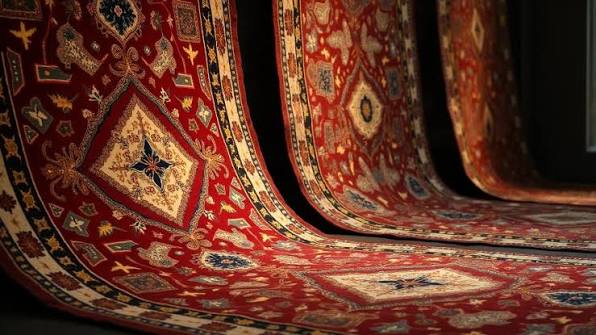
The Symbolism Hidden in Persian Carpets
The Symbolism Hidden in Persian Carpets
Introduction
Persian carpets are among the most admired and recognizable handmade artworks in the world. Renowned for their exceptional craftsmanship, intricate designs, and remarkable durability, these carpets have been woven in Iran for centuries and continue to hold a prestigious place in homes, museums, and private collections across the globe.
However, beyond their beauty and technical excellence lies a deeper dimension that many people overlook. Persian carpets are not merely decorative floor coverings; they are visual narratives woven with symbols, stories, beliefs, and cultural traditions. Every color, motif, and pattern can carry meaning, reflecting centuries of artistic heritage and the worldview of the communities that created them.
Understanding the symbolism hidden in Persian carpets reveals why these masterpieces have remained culturally significant for generations and why they continue to fascinate collectors, historians, designers, and art enthusiasts worldwide.
Persian Carpets: More Than Decorative Art
For centuries, carpet weaving has been one of Iran’s most important artistic traditions. In many regions, carpets served practical purposes while also functioning as expressions of identity, spirituality, and cultural values.
Unlike mass-produced products, traditional Persian carpets often reflected:
- Local customs
- Historical events
- Religious beliefs
- Natural surroundings
- Family traditions
- Artistic creativity
As a result, every carpet became a unique work of art containing layers of meaning beyond its visual appearance.
The symbolic language woven into these textiles transformed carpets into cultural documents that could communicate ideas across generations.
The Garden Motif: A Symbol of Paradise
One of the most common themes found in Persian carpet design is the garden.
Throughout Persian culture, gardens have long symbolized harmony, abundance, and paradise. Inspired by the famous Persian garden tradition, many carpet designs incorporate elements such as:
- Trees
- Flowers
- Water channels
- Birds
- Symmetrical layouts
These compositions often represent an idealized vision of nature and spiritual balance.
Historically, gardens were viewed as places of peace and beauty, particularly in regions where lush landscapes contrasted with surrounding arid environments. Carpet weavers translated this concept into textile form, allowing people to bring a symbolic garden into their homes.
The Tree of Life: Growth and Continuity
The Tree of Life is one of the most powerful and enduring symbols in Persian art.
Frequently appearing in carpets, this motif is often associated with:
- Wisdom
- Eternal life
- Spiritual growth
- Connection between heaven and earth
- Renewal
The design may appear as a central tree surrounded by flowers, animals, or decorative elements.
Although interpretations vary by region and historical period, the Tree of Life generally represents continuity and the interconnectedness of existence.
Its recurring presence demonstrates the importance of nature and spirituality within Persian artistic traditions.
Floral Patterns and Their Meaning
Flowers are among the most recognizable elements of Persian carpet design.
Common floral motifs include:
- Roses
- Lotus flowers
- Tulips
- Vines
- Blossoms
These patterns are not simply decorative. In many cases, they symbolize:
- Beauty
- Love
- Fertility
- Prosperity
- Renewal
The extensive use of floral imagery reflects the strong connection between Persian culture and the natural world.
Over time, floral designs evolved into highly sophisticated artistic compositions that remain central to many Persian carpet styles today.
Animal Symbols in Persian Carpets
Animals frequently appear in traditional carpet designs, often carrying symbolic significance.
Examples include:
Birds
Birds are commonly associated with:
- Freedom
- Spiritual elevation
- Peace
- Communication
Deer and Gazelles
These graceful animals often symbolize:
- Elegance
- Beauty
- Gentleness
Lions
Historically, lions represented:
- Strength
- Courage
- Authority
- Protection
Fish
Fish motifs may symbolize:
- Prosperity
- Abundance
- Life-giving water
The use of animals adds narrative depth and cultural meaning to carpet compositions.
Geometric Patterns and Hidden Messages
Not all symbolism in Persian carpets is represented through natural imagery.
Many tribal and village carpets feature geometric patterns that carry their own meanings.
Common geometric motifs include:
- Diamonds
- Stars
- Hexagons
- Medallions
- Repeating borders
These designs may represent:
- Protection from misfortune
- Tribal identity
- Family heritage
- Cosmic order
- Balance and harmony
In some weaving traditions, geometric patterns functioned as visual languages through which artisans expressed cultural values and community identity.
Colors and Their Cultural Significance
Color plays a vital symbolic role in Persian carpets.
Traditional natural dyes produced rich and meaningful color palettes.
Common associations include:
Red
- Energy
- Joy
- Vitality
- Courage
Blue
- Spirituality
- Wisdom
- Protection
- Serenity
Green
- Nature
- Growth
- Renewal
- Prosperity
Ivory and White
- Purity
- Peace
- Simplicity
Gold and Yellow
- Wealth
- Light
- Success
While interpretations can vary, color symbolism adds another layer of meaning to carpet design.
Regional Variations in Symbolism
Iran’s diverse geography and cultural traditions have produced a wide variety of carpet styles.
Different regions often emphasize distinct symbols and artistic themes.
For example:
- Nomadic carpets may feature bold geometric motifs.
- Urban workshops often incorporate elaborate floral patterns.
- Tribal weavings may preserve ancient symbolic traditions unique to specific communities.
These regional differences contribute to the extraordinary diversity that makes Persian carpets so fascinating to study and collect.
The Storytelling Tradition of Carpet Weaving
In many weaving communities, carpets served as forms of visual storytelling.
Artisans could incorporate:
- Personal experiences
- Local legends
- Cultural beliefs
- Historical influences
- Symbolic narratives
Because many traditional weavers worked without written design plans, their creativity and cultural knowledge became woven directly into the finished textile.
This storytelling tradition transformed carpets into artistic expressions of both individual craftsmanship and collective memory.
Why Symbolism Still Matters Today
Modern buyers often appreciate Persian carpets for their beauty and craftsmanship, but understanding their symbolism adds a deeper dimension to their value.
These symbolic elements help preserve:
- Cultural heritage
- Historical knowledge
- Artistic traditions
- Regional identities
For collectors, designers, and enthusiasts, recognizing the meanings behind carpet motifs enhances appreciation for the skill and creativity involved in their production.
The symbolic richness of Persian carpets is one reason they continue to be admired worldwide.
Conclusion
Persian carpets are far more than decorative furnishings. Hidden within their intricate designs are centuries of symbolism, storytelling, and cultural expression. From the Tree of Life and paradise gardens to animal motifs, geometric patterns, and meaningful colors, every element can contribute to a larger narrative woven by skilled artisans.
These symbols reflect the history, beliefs, environment, and artistic imagination of the people who created them. As a result, Persian carpets remain not only masterpieces of craftsmanship but also enduring cultural treasures that continue to connect modern audiences with one of the world’s richest artistic traditions.
